Real Skills. Real Achievements.
Playto students applying robotics skills on school, national and global platforms.


Live 1:1 robotics classes with personal kits delivered across Japan, including Tokyo, Yokohama and Osaka. Children learn through a structured journey from beginner to advanced levels, building real projects while developing coding, electronics and problem-solving skills.
Products built by alumni of

Recognized by

Accredited by STEM.org

Playto students applying robotics skills on school, national and global platforms.
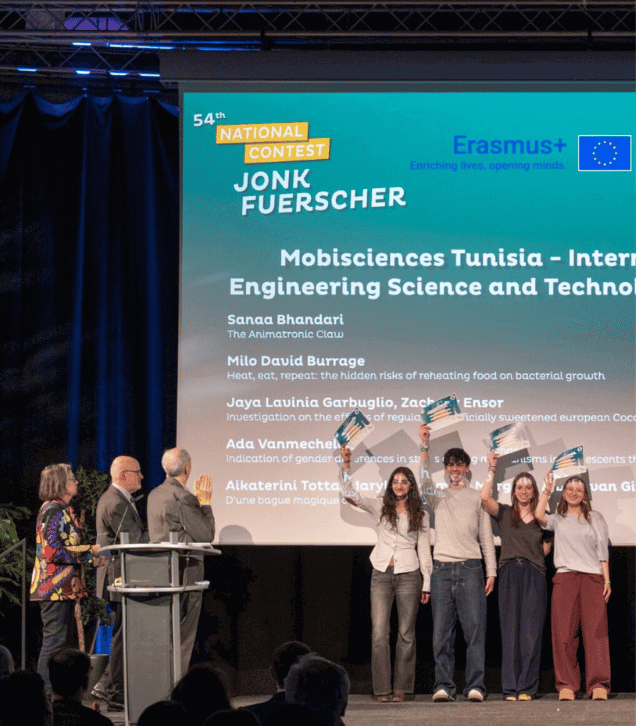 Global
Luxembourg, Europe
Silver Medal, Mobisciences Tunisia. Jonk Fuerscher (Young Researcher) Award in Luxembourg.
Represented Luxembourg at the Global Level
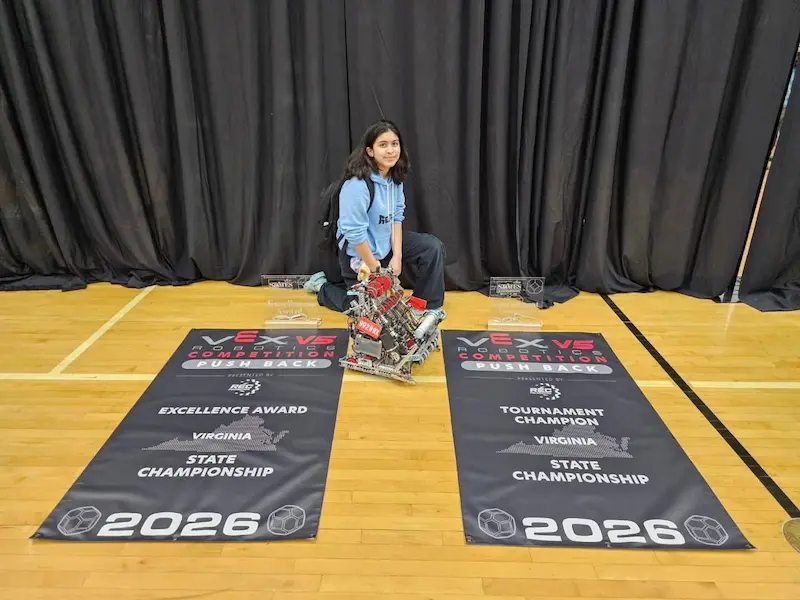 State
Virginia, USA
Virginia State Champion and Excellence Award Winner, VEX V5 Robotics Competition.
Recognized for excellence in robotics and coding.
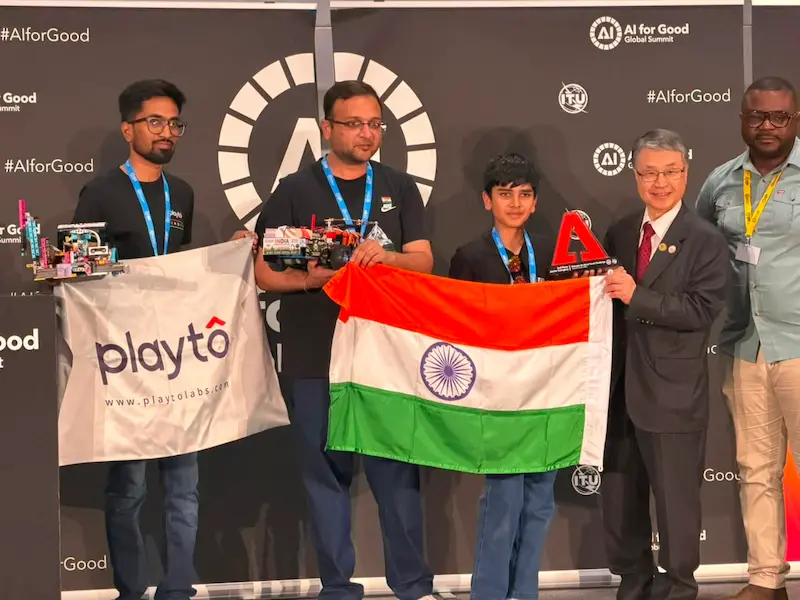 Global
Delhi NCR, India
3rd Place Globally, Robotics for Good Youth Challenge Grand Finale in Geneva, Switzerland. (by ITU, UN)
Representing India after winning Gold in India Finals.
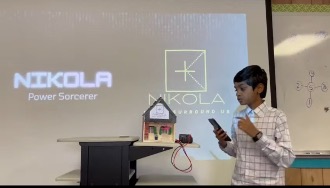 School Level
Austin, Texas, USA
Won his school's Shark Tank competition for presenting his innovation, Nikola.
Built a fully functioning prototype at a young age.
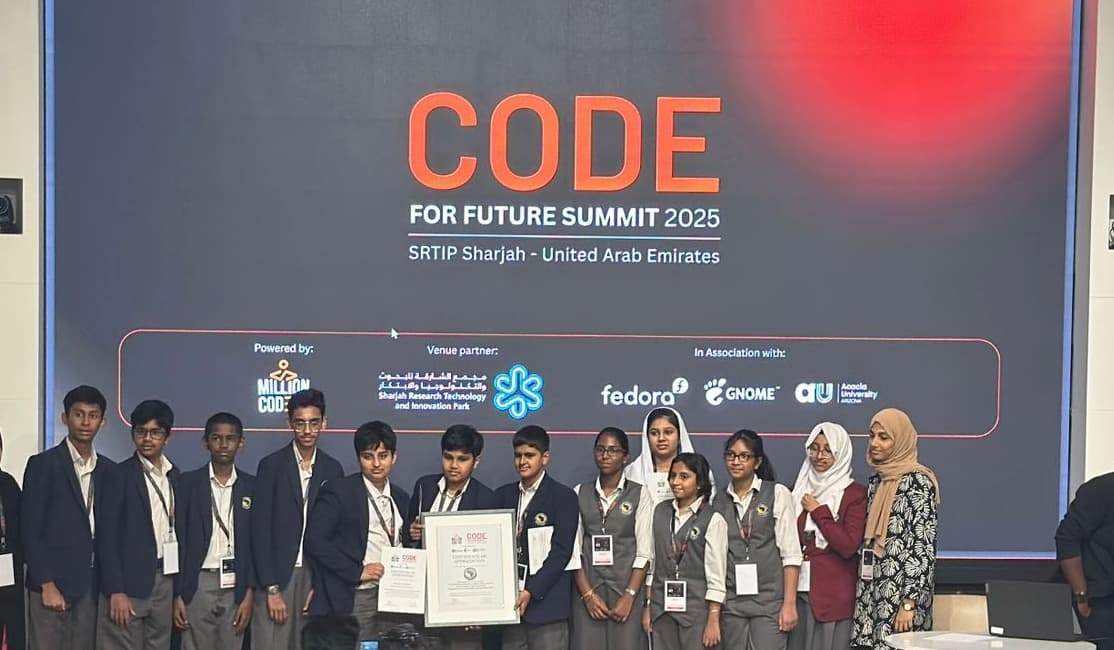 Global
Sharjah, UAE
Won the Outstanding Innovation Award at the Code for Future Summit, Sharjah
Recognized at a leading AI & tech summit
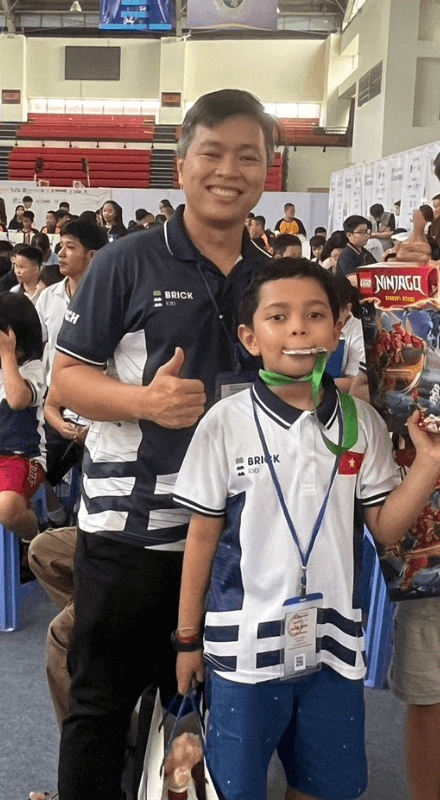 National
HCMC, Vietnam
Won 2nd Medal in World Robot Olympiad Competition in South Vietnam.
Awarded at global robotics competition.
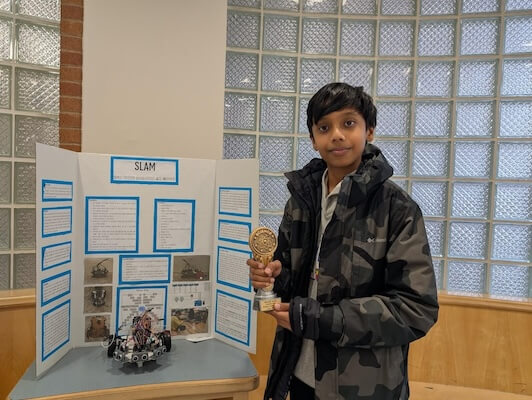 District
Seattle, Washington, USA
Won Inter-School Science Fair for building an autonomous mapping robot.
Recognized for his skills in science and innovation.
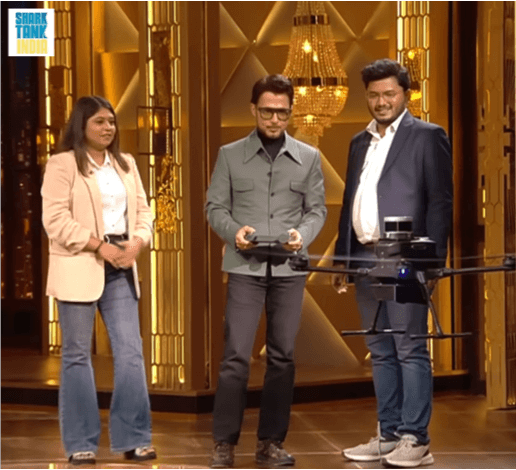 Entrepreneurship
IIT Delhi, India
Founded a drone startup Vecros and raised funding on Shark Tank India and other investors.
Applied robotics expertise to real venture creation.
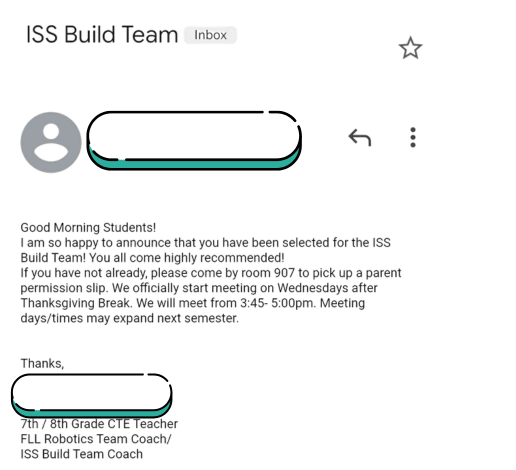 District
Plano, Texas, USA
Selected for her district's ISS Build Team after presenting her Robotic Arm project.
Chosen for her strong thinking and skills.
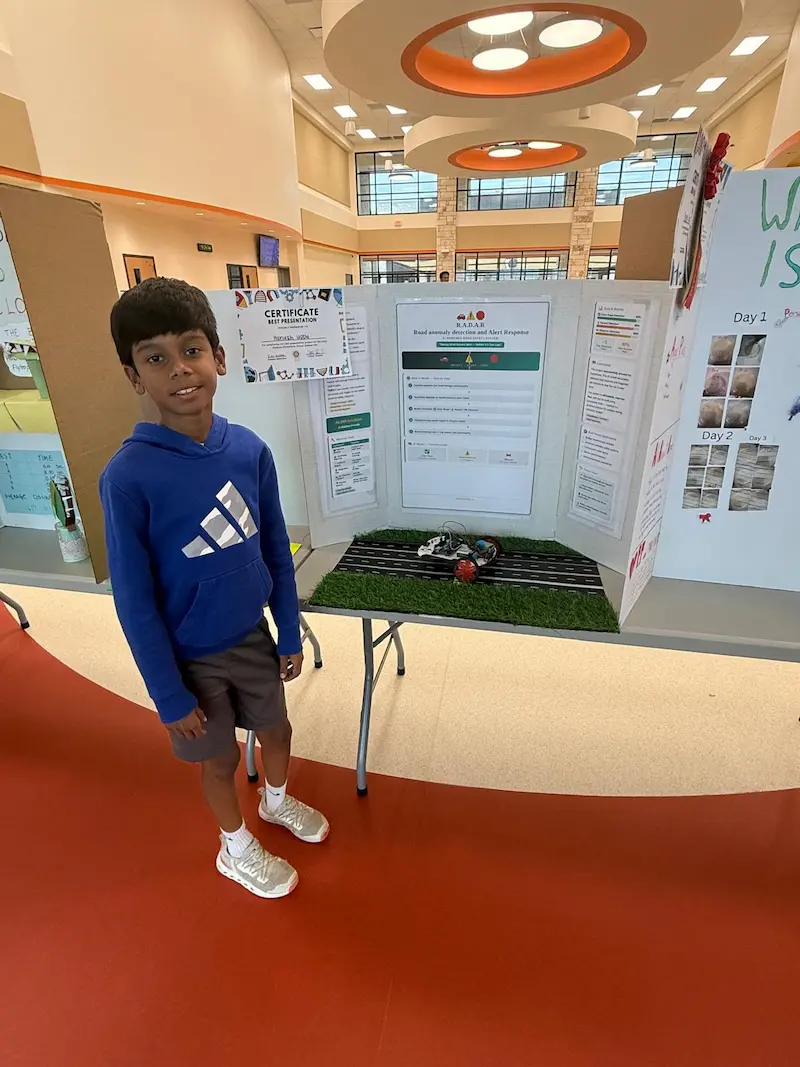 School Level
Frisco, Texas
Won a Best Presentation Award for a robot designed to detect debris on roads.
Built a functioning project blending robotics and AI.
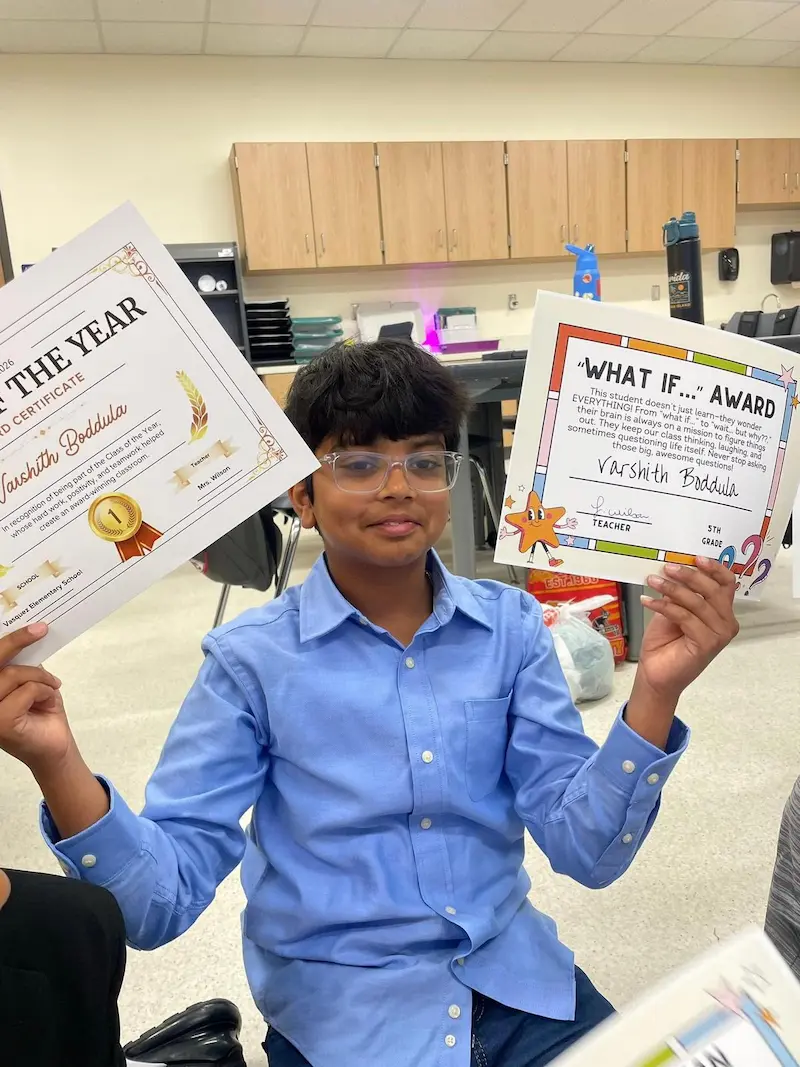 School
Celina, Texas
Received What If and Innovator of the Year recognition.
Recognized for creativity, curiosity, and classroom leadership.
These are selected highlights from a much larger community of students consistently building and applying their skills.
Students across Japan who join our programs learn through the same structured curriculum, hands-on projects, and mentorship that have helped these students achieve at national and global levels.
Your child joins a live 1:1 trial session from home, meets the mentor, and tries a simple hands-on robotics activity.
Based on your child’s age, interests, and current experience, we recommend a comfortable starting point and a path for progressing over time.
A personal robotics kit is delivered to your home so your child can build real projects during class and keep experimenting between sessions.
Kit delivery can be arranged across Japan, including Tokyo, Yokohama, Osaka, Kyoto and Nagoya, as well as Sapporo, Sendai, Kobe, Fukuoka, Hiroshima, Kawasaki, Saitama, Chiba, Kitakyushu, Niigata, Hamamatsu, Shizuoka, Okayama, Kumamoto, Kagoshima, Kanazawa, Nara, Naha, Matsuyama and Nagano. Courier eligibility and timing are confirmed for your address before you enroll.
Your child learns with an expert mentor in regular live 1:1 sessions. Scheduling is flexible and arranged in Japan Standard Time (JST) around school terms, school holidays and family activities.
As students progress, they take on increasingly challenging projects while strengthening their coding, engineering, and problem-solving skills.
Motivated students can continue to advanced projects, build a portfolio, and prepare for science fairs, robotics competitions, or innovation challenges.
Playto Labs has developed a structured robotics curriculum through years of working with hundreds of thousands of students, helping children build real skills step by step. Parents typically begin with a simple trial class, and based on their child's interest and confidence, they can continue learning further and explore deeper levels at a comfortable pace. Students begin with an introductory program and simple projects and gradually develop a stronger interest in robotics. Over time, they go on to build advanced projects and participate in national and international competitions. Many of our students perform exceptionally well in these competitions because of the structured learning program and the depth of the curriculum.
Your child learns through a structured, hands-on coding and robotics program that builds real skills step by step. They stay engaged, gain confidence, and develop a genuine interest in technology, while you have the flexibility to continue learning at a pace that works best for your child.
Robotics at Playto Labs provides a steady path toward valuable skills, not a one-time workshop. Children advance through levels while wiring circuits, writing code, and debugging hardware they keep at home, so their learning can continue around school breaks and family schedules across Japan.
Children start with simple concepts and gradually move to more advanced robotics and coding projects. Each level is designed to match their pace, ensuring they build confidence while developing real technical skills over time.
Ages 8-10
A fun introduction to robotics in which children explore building and basic coding concepts, developing curiosity and confidence through hands-on learning.
STEM.org-accredited, age-appropriate kits
Ages 11-13
Students work on more complex robotics and coding projects, strengthening logical thinking, problem-solving, and understanding of real-world applications.
STEM.org-accredited, age-appropriate kits
Ages 14-16
Advanced robotics projects that help students build strong technical skills, develop meaningful projects, and explore deeper applications in engineering and innovation.
STEM.org-accredited, age-appropriate kits
Students can begin at the right level based on their experience and continue progressing over time. Students can continue into advanced levels based on their interests, goals, and pace.
Programming now runs through Japan’s school curriculum. Programming education began in elementary schools in fiscal 2020, lower secondary technology classes expanded their programming content in fiscal 2021, and the compulsory high school subject Information I, covering programming, networks and databases, began in fiscal 2022. Robotics offers a practical complement: children can turn an idea into a physical system, observe how it behaves and improve both the build and the code. MEXT programming education overview MEXT Information I curriculum
The GIGA School Program has placed a learning device in the hands of public elementary and junior high school students, and Information I became a subject in the Common Test for University Admissions from January 2025. Sustained robotics projects bring these digital skills into the physical world as students plan a solution, connect sensors and motors, program behaviors, troubleshoot unexpected results and explain what they changed. MEXT GIGA School Program NCUEE Common Test overview
Japan’s Cabinet approved the 7th Science, Technology and Innovation Basic Plan for fiscal 2026 to 2030 in March 2026, and OECD.AI’s summary lists robotics among its strategic technology areas. The International Federation of Robotics reports that Japan accounted for 38% of global industrial robot production in 2024. Robotics gives children an age-appropriate way to explore how programming, electronics and mechanical design work together in a technology-shaped economy. Prime Minister’s Office OECD.AI plan summary IFR robot production
Older students can explore interests reflected in Japan’s competition and research landscape. RoboCupJunior Japan’s 2026 Japan Open in Aichi brought together 186 teams, WRO Japan holds its own national finals for autonomous-robot challenges, and the University of Tokyo’s School of Engineering teaches at its Hongo and Komaba campuses. These examples show possible directions for exploration; they do not create an admissions advantage or guarantee competition results. RoboCupJunior Japan Open 2026 WRO Japan University of Tokyo School of Engineering
Japan’s school year begins in April and is usually divided into three terms, with summer, winter and spring breaks set by local boards of education. Live 1:1 classes can be arranged in JST around school terms, holidays and family routines. School terms and vacations Guide to starting school in Japan
Families live across a long archipelago, from dense metropolitan areas such as Tokyo, Yokohama, Osaka, Kyoto and Nagoya to regional cities, mountain towns and island communities. Learning online can remove an additional weekly journey while giving each child direct mentor attention and a personal kit at home.
Keeping the kit at home supports continuity. A child can revisit a circuit, practice a program and test improvements between lessons instead of limiting hands-on work to time spent at a shared facility.
The same format is available to families in Tokyo as well as Yokohama, Osaka, Kyoto, Nagoya, regional cities, smaller towns and island communities. The mentor can adjust the pace to the child’s age, experience and interests while the learning path remains structured.
Families across Japan can access the same structured robotics curriculum, personal kits and live 1:1 mentoring from home.
| Factor | Playto Labs Online Robotics Classes | Japan Offline Robotics Classes |
|---|---|---|
| Instructor Quality | Expert mentors with 10+ years experience, trained across 500,000+ students globally | Quality can vary significantly, as experienced robotics instructors are relatively rare |
| Robotics Kit Quality | Up-to-date robotics kits that are continuously improved. Every student receives a personal kit to practice, innovate, and prepare for competitions at home. | Kits are often reused over long periods and shared among students, limiting hands-on time and independent practice. |
| Hands-On Practice Time with Kits | Children can practice at any time with their own kit and continue exploring ideas between classes. | Practice limited to classroom hours |
| Curriculum Depth | A structured, progressive, personalized, and industry-relevant robotics curriculum developed by experienced education experts. It is continuously refreshed and designed to work closely with the kits. | Often lacks structured progression and regular updates, making it harder for students to build depth over time. |
| Personalization, Especially Important in Robotics Classes | 1:1 sessions, mentor feedback, and progress tracking. Every child learns at a pace that matches their interests and ability. Additional depth and advanced levels are available for highly motivated students. | Not every student in a robotics class is learning the same topic (unlike math, where children in the same year group often cover similar topics). As a result, group-based offline robotics classes can be harder to personalize, and some children may lose interest. |
| Learning Continuity | Learning continues across levels, and students build real skills over time, helping them prepare for competitions and develop strong portfolios for future academic opportunities. | A fixed syllabus may end with the batch and may offer limited options for students who want to progress further. |
| Learning Flexibility | Reschedulable classes, personalized pace and journey. | Fixed schedules, curriculum and kits with minimal flexibility |
| Competitions and Wider Exposure | Access to robotics competitions and real-world project showcases. Expert mentors with experience of helping students win awards at international level. | Competition exposure may vary depending on the center and the experience of its instructors. |
| Certification Value | Skill-based certification that reflects the student's progress | Certificate recognition varies by provider |
| Convenience for Parents | No travel, no traffic, no time loss | Requires travel and additional scheduling coordination |
| Parent Visibility | Transparent progress updates and performance tracking | Limited insight into student learning |
| Cost vs Value | Playto Labs Robotics Classes are affordable even with take-home kits and 1:1 classes because everything is integrated into one program that works efficiently and also because of the larger scale they operate in. | Costs and inclusions vary, and some programs may not provide take-home kits. Some centers source kits and instructors separately, which can add to the cost and make delivery less consistent. |
The key difference is how consistently your child can learn, practice, and progress over time.
Playto Labs' coding and robotics program is designed to help children start comfortably, build confidence through hands-on learning, and continue progressing at their own pace. With personalized guidance, take-home kits, and a structured curriculum, kids can develop real skills without being limited by batches, schedules, or shared resources.
Live online classes and personal robotics-kit delivery are available across Japan.
Families can also join from Sapporo, Sendai, Kobe, Fukuoka, Hiroshima, Kawasaki, Saitama, Chiba, Kitakyushu, Niigata, Hamamatsu, Shizuoka, Okayama, Kumamoto, Kagoshima, Kanazawa, Nara, Naha, Matsuyama and Nagano.
Because classes are live online, children in regional towns, mountain communities and island prefectures can follow the same structured program from home, subject to kit-delivery availability for their address.
Every student receives a personal robotics kit designed for their age and level, enabling them to build and practice beyond class hours.
Families across Japan can request kit delivery, including those in cities, regional towns and island communities. Courier eligibility, delivery timing and any shipping or import conditions are confirmed for your full address before you enroll.
Having a personal kit at home allows children to experiment, revisit concepts, and develop deeper understanding through hands-on learning.
Explore robotics classes for kids in other regions:
Asia
Oceania
You can also explore our robotics summer camps for kids to understand how to get started.
Book a free trial class and see how your child learns robotics through hands-on projects and live 1:1 sessions.

