Real Skills. Real Achievements.
Playto students applying robotics skills on school, national and global platforms.


Live 1:1 robotics classes with personal kits delivered across Austria, including Vienna and Graz. Children learn through a structured journey from beginner to advanced levels, building real projects while developing coding, electronics and problem-solving skills.
Products built by alumni of

Recognized by

Accredited by STEM.org

Playto students applying robotics skills on school, national and global platforms.
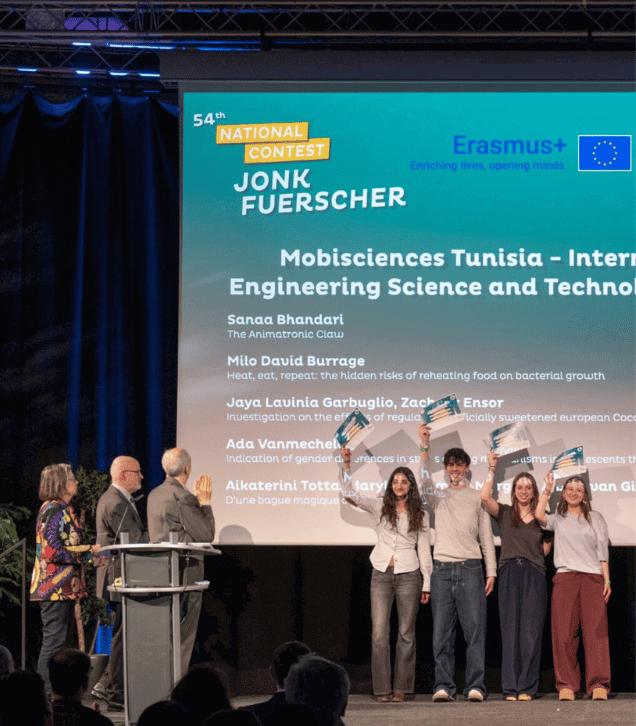 Global
Luxembourg, Europe
Silver Medal, Mobisciences Tunisia. Jonk Fuerscher (Young Researcher) Award in Luxembourg.
Represented Luxembourg at the Global Level
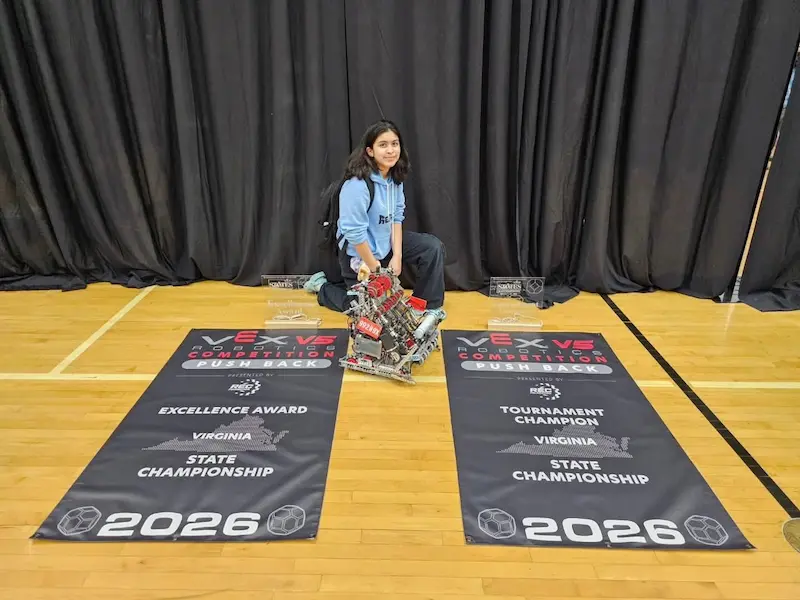 State
State
Virginia, USA
Virginia State Champion and Excellence Award Winner, VEX V5 Robotics Competition.
Recognized for excellence in robotics and coding.
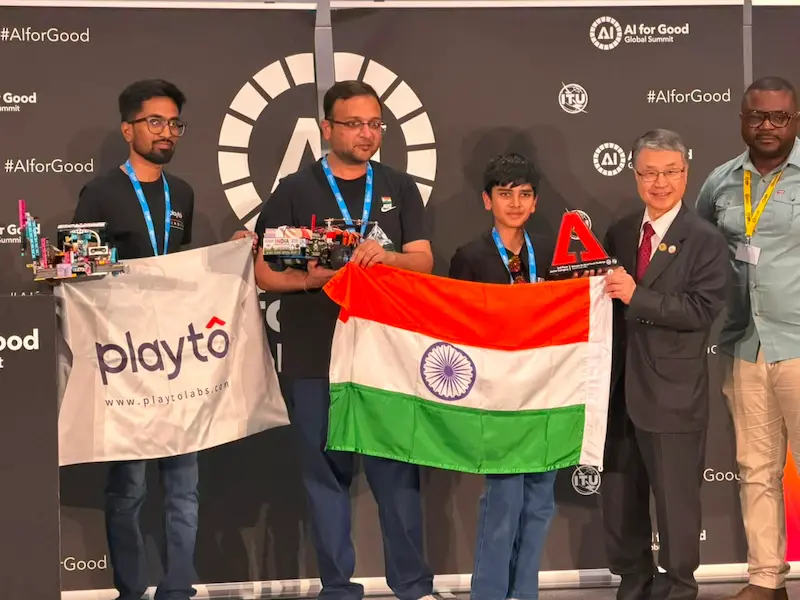 Global
Delhi NCR, India
3rd Place Globally, Robotics for Good Youth Challenge Grand Finale in Geneva, Switzerland. (by ITU, UN)
Representing India after winning Gold in India Finals.
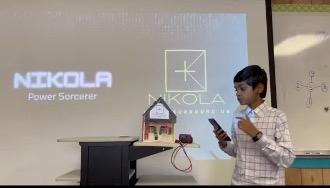 School Level
Austin, Texas, USA
Won his school's Shark Tank competition for presenting his innovation, Nikola.
Built a fully functioning prototype at a young age.
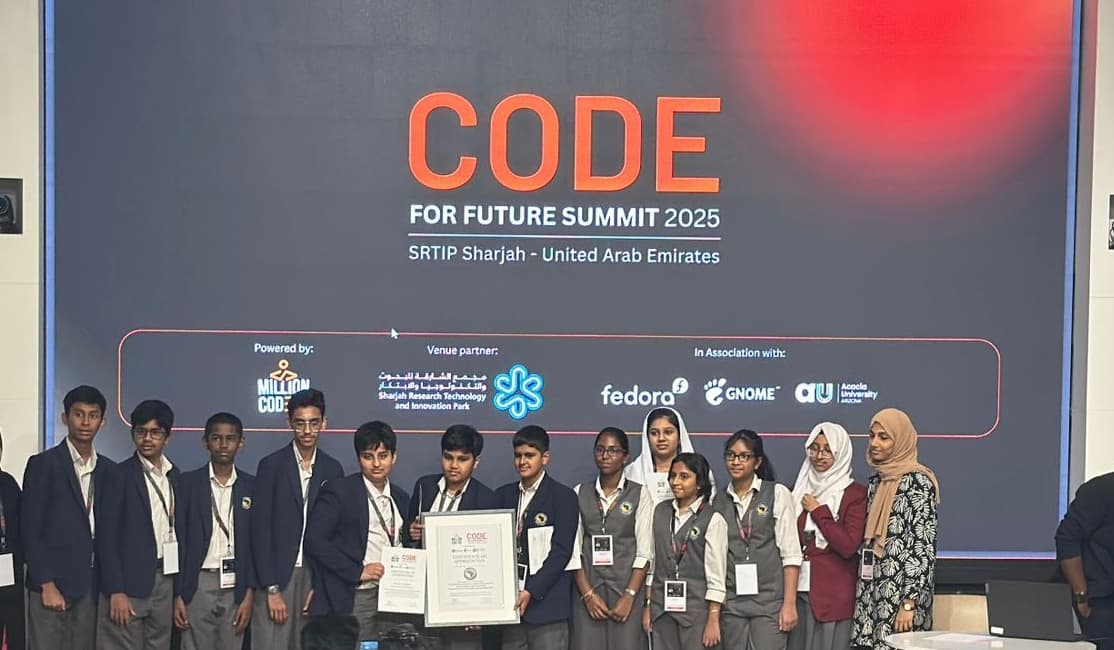 Global
Sharjah, UAE
Won the Outstanding Innovation Award at the Code for Future Summit, Sharjah
Recognized at a leading AI & tech summit
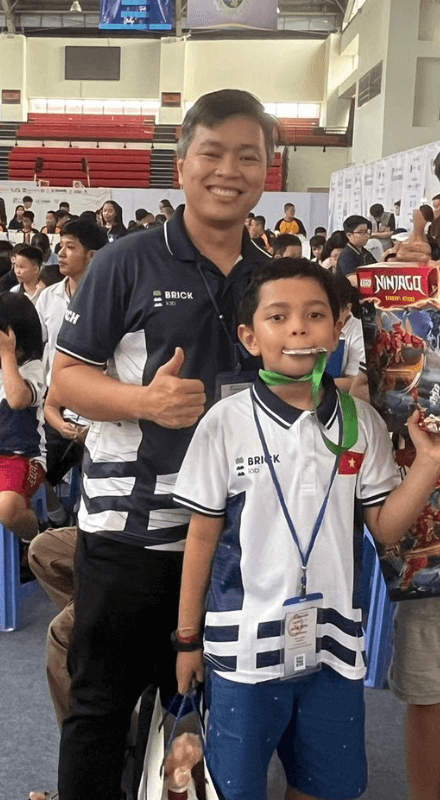 National
HCMC, Vietnam
Won 2nd Medal in World Robot Olympiad Competition in South Vietnam.
Awarded at global robotics competition.
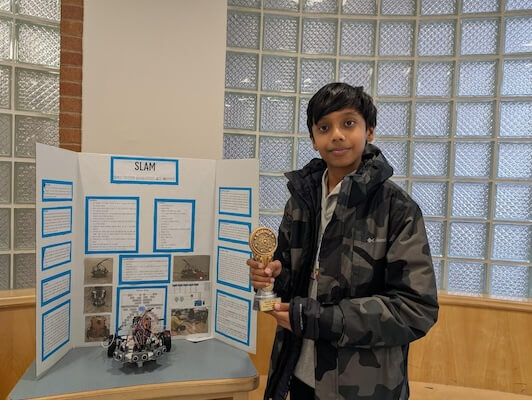 District
Seattle, Washington, USA
Won Inter-School Science Fair for building an autonomous mapping robot.
Recognized for his skills in science and innovation.
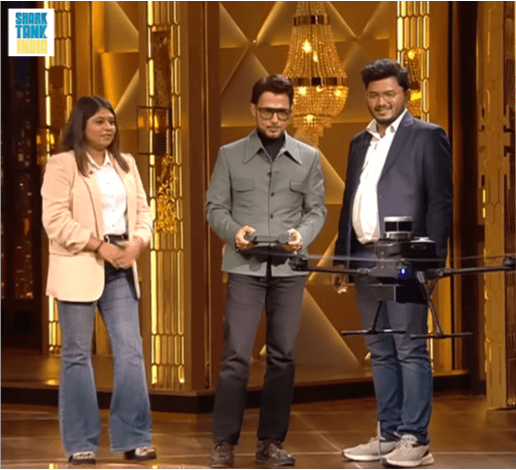 Entrepreneurship
IIT Delhi, India
Founded a drone startup Vecros and raised funding on Shark Tank India and other investors.
Applied robotics expertise to real venture creation.
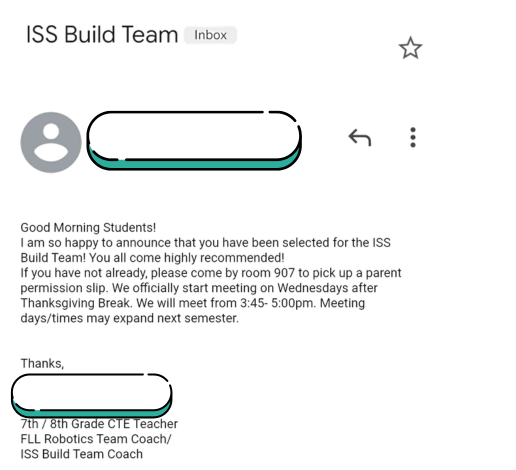 District
Plano, Texas, USA
Selected for her district's ISS Build Team after presenting her Robotic Arm project.
Chosen for her strong thinking and skills.
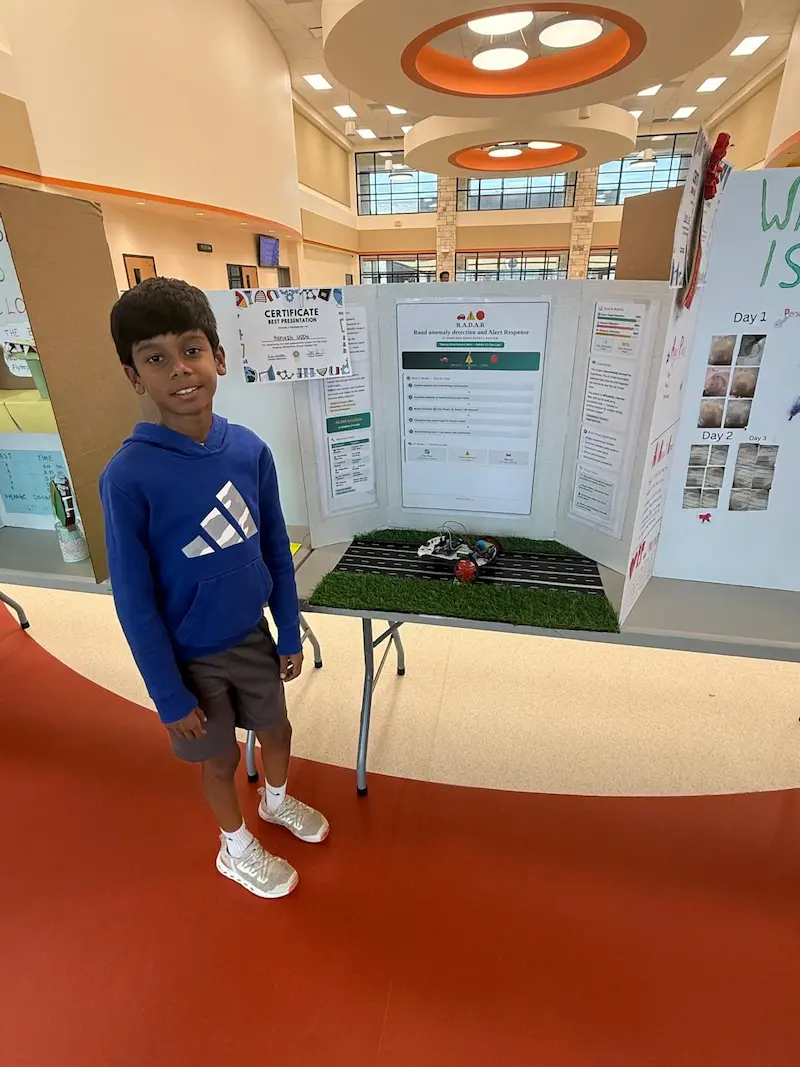 School Level
Frisco, Texas
Won a Best Presentation Award for a robot designed to detect debris on roads.
Built a functioning project blending robotics and AI.
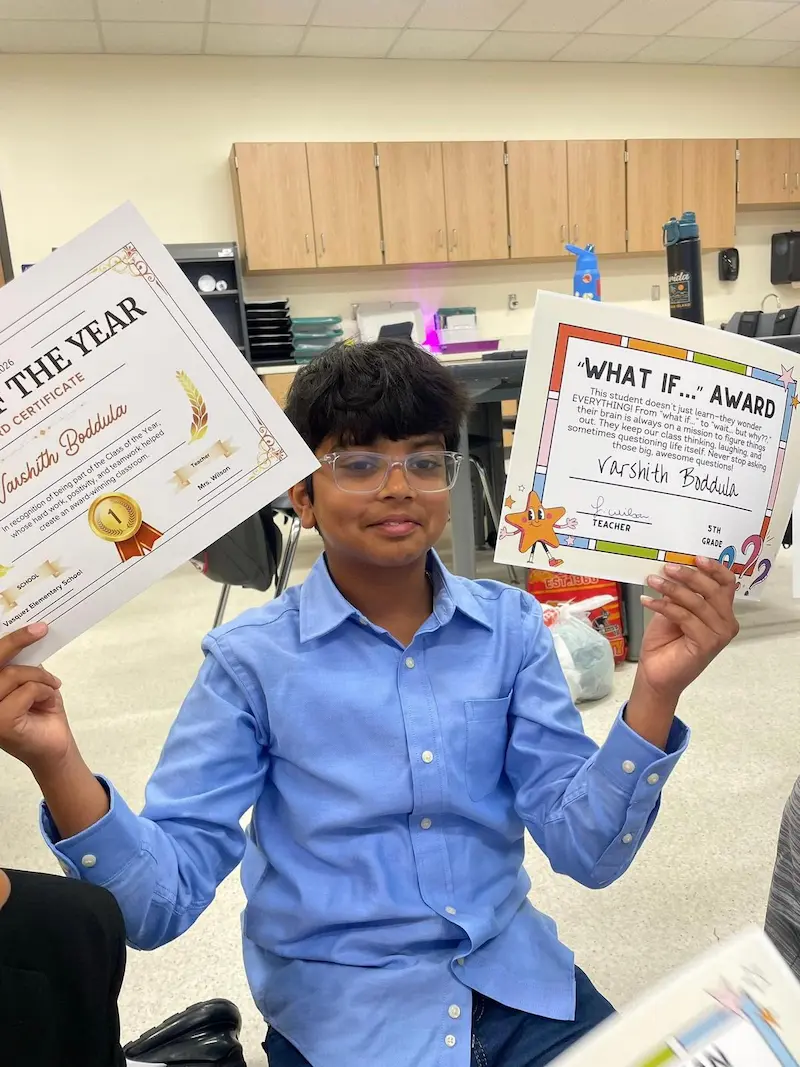 School
Celina, Texas
Received What If and Innovator of the Year recognition.
Recognized for creativity, curiosity, and classroom leadership.
These are selected highlights from a much larger community of students consistently building and applying their skills.
Students across Austria who join our programmes learn through the same structured curriculum, hands-on projects, and mentorship that have helped these students achieve at national and global levels.
Your child joins a live 1:1 trial session from home, meets the mentor, and tries a simple hands-on robotics activity.
Based on your child’s age, interests, and current experience, we recommend a comfortable starting point and a path for progressing over time.
A personal robotics kit is delivered to your home so your child can build real projects during class and keep experimenting between sessions.
Delivery is available across Austria, including Vienna, Graz, Linz, Salzburg, Innsbruck, Klagenfurt am Wörthersee, St. Pölten, Eisenstadt, Bregenz, Villach, Wels, Wiener Neustadt, Steyr, Dornbirn, Feldkirch, Krems an der Donau, Baden bei Wien, Leoben and Hall in Tirol.
Your child learns with an expert mentor in regular live 1:1 sessions. Scheduling is flexible and arranged in CET or CEST around school, province-specific holidays and family activities.
As students progress, they take on increasingly challenging projects while strengthening their coding, engineering, and problem-solving skills.
Motivated students can continue to advanced projects, build a portfolio, and prepare for science fairs, robotics competitions, or innovation challenges.
Playto Labs has developed a structured robotics curriculum through years of working with hundreds of thousands of students, helping children build real skills step by step. Parents typically begin with a simple trial class, and based on their child's interest and confidence, they can continue learning further and explore deeper levels at a comfortable pace. Students begin with an introductory program and simple projects and gradually develop a stronger interest in robotics. Over time, they go on to build advanced projects and participate in national and international competitions. Many of our students perform exceptionally well in these competitions because of the structured learning program and the depth of the curriculum.
Your child learns through a structured, hands-on coding and robotics program that builds real skills step by step. They stay engaged, gain confidence, and develop a genuine interest in technology, while you have the flexibility to continue learning at a pace that works best for your child.
Robotics at Playto Labs provides a steady path toward valuable skills, not a one-time workshop. Children advance through levels while wiring circuits, writing code, and debugging hardware they keep at home, so their learning can continue around school breaks and family schedules across Austria.
Children start with simple concepts and gradually move to more advanced robotics and coding projects. Each level is designed to match their pace, ensuring they build confidence while developing real technical skills over time.
Ages 8-10
A fun introduction to robotics in which children explore building and basic coding concepts, developing curiosity and confidence through hands-on learning.
STEM.org-accredited, age-appropriate kits
Ages 11-13
Students work on more complex robotics and coding projects, strengthening logical thinking, problem-solving, and understanding of real-world applications.
STEM.org-accredited, age-appropriate kits
Ages 14-16
Advanced robotics projects that help students build strong technical skills, develop meaningful projects, and explore deeper applications in engineering and innovation.
STEM.org-accredited, age-appropriate kits
Students can begin at the right level based on their experience and continue progressing over time. Students can continue into advanced levels based on their interests, goals, and pace.
Austria’s Digital Basic Education curriculum connects digital learning with analysing, modelling, coding and testing systems, including automation, data and networks. Robotics offers a practical complement: children can turn an idea into a physical system, observe how it behaves and improve both the build and the code. Austrian Ministry of Education curriculum
The curriculum also highlights computational thinking, creativity, communication, collaboration and problem-oriented learning. Sustained robotics projects bring these skills together as students plan a solution, connect sensors and motors, programme behaviours, troubleshoot unexpected results and explain what they changed.
Austria’s Research, Technology and Innovation Strategy 2030 places knowledge, talent and skills alongside research infrastructure and applied research. Statistics Austria also reports continuing demand for ICT expertise. Robotics gives children an age-appropriate way to explore how programming, electronics and engineering work together in a technology-shaped economy. Federal Chancellery RTI Strategy Statistics Austria ICT report
Older students can explore interests reflected in Austria’s university and competition ecosystem. TU Wien researches autonomous robot learning and control, while UAS Technikum Wien combines mechanics, electronics, programming, sensors and project laboratories in its mechatronics and robotics curriculum. RoboCupJunior Austria offers a project-based route into national and international challenges. These examples show possible directions for exploration; they do not create an admissions advantage or guarantee competition results. TU Wien Autonomous Systems UAS Technikum Wien curriculum RoboCupJunior Austrian Open
Austria’s school system includes primary, lower-secondary, academic and vocational pathways, and official school-holiday calendars vary by federal province. Live 1:1 classes can be arranged in CET or CEST around schoolwork, holidays and family routines. Austrian government school information Official school-holiday calendar
Families live across major cities, surrounding regions, alpine valleys and smaller rural communities. Statistics Austria notes that population is concentrated in cities and some major valleys while other peripheral and inner-alpine areas are sparsely populated. Learning online can reduce an additional weekly journey while giving each child direct mentor attention and a personal kit at home. Statistics Austria population atlas
Keeping the kit at home supports continuity. A child can revisit a circuit, practise a programme and test improvements between lessons instead of limiting hands-on work to time spent at a shared facility.
The same format is available to families in Vienna and Graz as well as Linz, Salzburg, Innsbruck, provincial capitals, smaller towns and surrounding communities. The mentor can adjust the pace to the child’s age, experience and interests while the learning path remains structured.
Families across Austria can access the same structured robotics curriculum, personal kits and live 1:1 mentoring from home.
| Factor | Playto Labs Online Robotics Classes | Austria Offline Robotics Classes |
|---|---|---|
| Instructor Quality | Expert mentors with 10+ years experience, trained across 500,000+ students globally | Quality can vary significantly, as experienced robotics instructors are relatively rare |
| Robotics Kit Quality | Up-to-date robotics kits that are continuously improved. Every student receives a personal kit to practice, innovate, and prepare for competitions at home. | Kits are often reused over long periods and shared among students, limiting hands-on time and independent practice. |
| Hands-On Practice Time with Kits | Children can practice at any time with their own kit and continue exploring ideas between classes. | Practice limited to classroom hours |
| Curriculum Depth | A structured, progressive, personalized, and industry-relevant robotics curriculum developed by experienced education experts. It is continuously refreshed and designed to work closely with the kits. | Often lacks structured progression and regular updates, making it harder for students to build depth over time. |
| Personalisation, Especially Important in Robotics Classes | 1:1 sessions, mentor feedback, and progress tracking. Every child learns at a pace that matches their interests and ability. Additional depth and advanced levels are available for highly motivated students. | Not every student in a robotics class is learning the same topic (unlike math, where children in the same year group often cover similar topics). As a result, group-based offline robotics classes can be harder to personalize, and some children may lose interest. |
| Learning Continuity | Learning continues across levels, and students build real skills over time, helping them prepare for competitions and develop strong portfolios for future academic opportunities. | A fixed syllabus may end with the batch and may offer limited options for students who want to progress further. |
| Learning Flexibility | Reschedulable classes, personalised pace and journey. | Fixed schedules, curriculum and kits with minimal flexibility |
| Competitions and Wider Exposure | Access to robotics competitions and real-world project showcases. Expert mentors with experience of helping students win awards at international level. | Competition exposure may vary depending on the center and the experience of its instructors. |
| Certification Value | Skill-based certification that reflects the student's progress | Certificate recognition varies by provider |
| Convenience for Parents | No travel, no traffic, no time loss | Requires travel and additional scheduling coordination |
| Parent Visibility | Transparent progress updates and performance tracking | Limited insight into student learning |
| Cost vs Value | Playto Labs Robotics Classes are affordable even with take-home kits and 1:1 classes because everything is integrated into one program that works efficiently and also because of the larger scale they operate in. | Costs and inclusions vary, and some programs may not provide take-home kits. Some centers source kits and instructors separately, which can add to the cost and make delivery less consistent. |
The key difference is how consistently your child can learn, practice, and progress over time.
Playto Labs' coding and robotics program is designed to help children start comfortably, build confidence through hands-on learning, and continue progressing at their own pace. With personalised guidance, take-home kits, and a structured curriculum, kids can develop real skills without being limited by batches, schedules, or shared resources.
Live online classes and personal robotics-kit delivery are available across Austria.
Families can also join from Linz, Salzburg, Innsbruck, Klagenfurt am Wörthersee, St. Pölten, Eisenstadt, Bregenz, Villach, Wels, Wiener Neustadt, Steyr, Dornbirn, Feldkirch, Krems an der Donau, Baden bei Wien, Leoben and Hall in Tirol.
Because classes are live online, children in smaller towns, alpine communities and areas surrounding Austria’s cities can follow the same structured programme from home, subject to kit-delivery availability for their postcode.
Every student receives a personal robotics kit designed for their age and level, enabling them to build and practice beyond class hours.
We offer delivery across Austria, including cities, smaller towns and surrounding communities. Delivery timing and availability for your postcode are confirmed when your family enrols.
Having a personal kit at home allows children to experiment, revisit concepts, and develop deeper understanding through hands-on learning.
Explore robotics classes for kids in other regions:
Europe
Asia
Africa
Oceania
You can also explore our robotics summer camps for kids to understand how to get started.
Book a free trial class and see how your child learns robotics through hands-on projects and live 1:1 sessions.

