Student Achievements

Our students apply the skills they learn in robotics to real projects, science fairs, innovation challenges, and competitions. From school-level showcases to national and global robotics competitions, these young innovators demonstrate what hands-on learning can achieve.

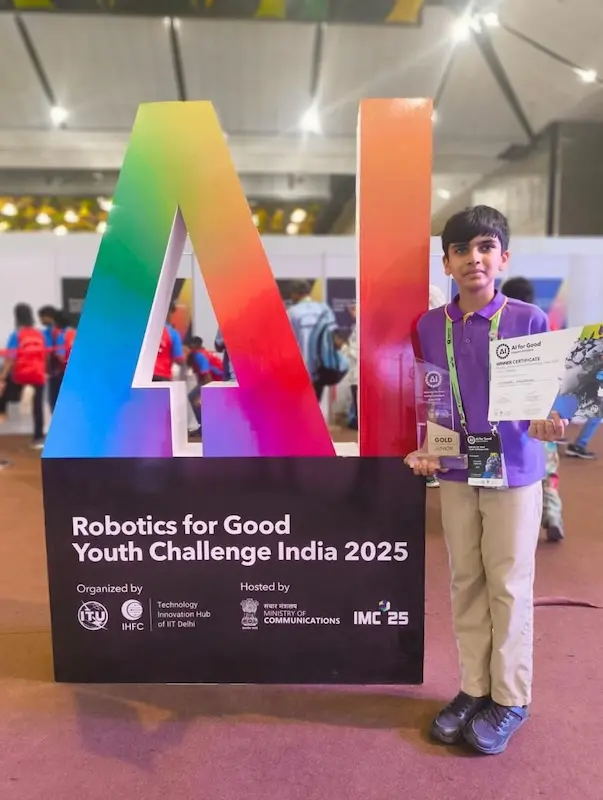
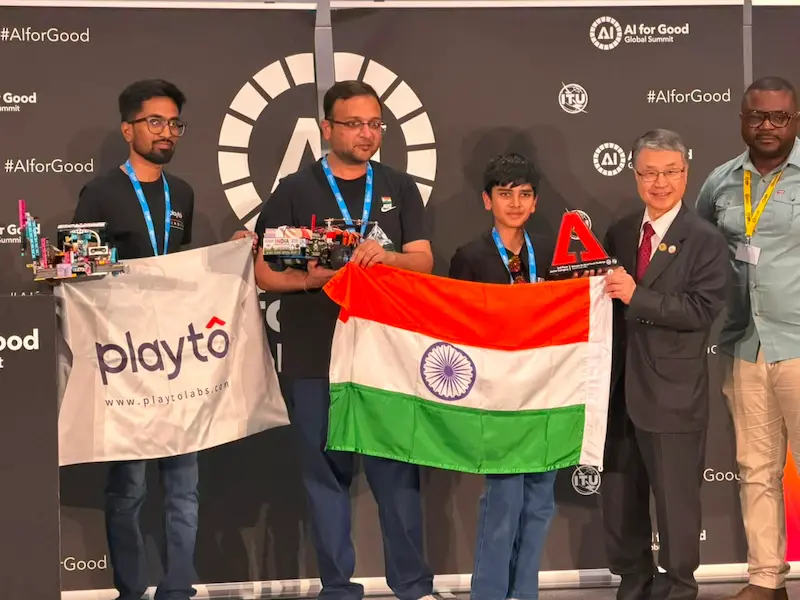
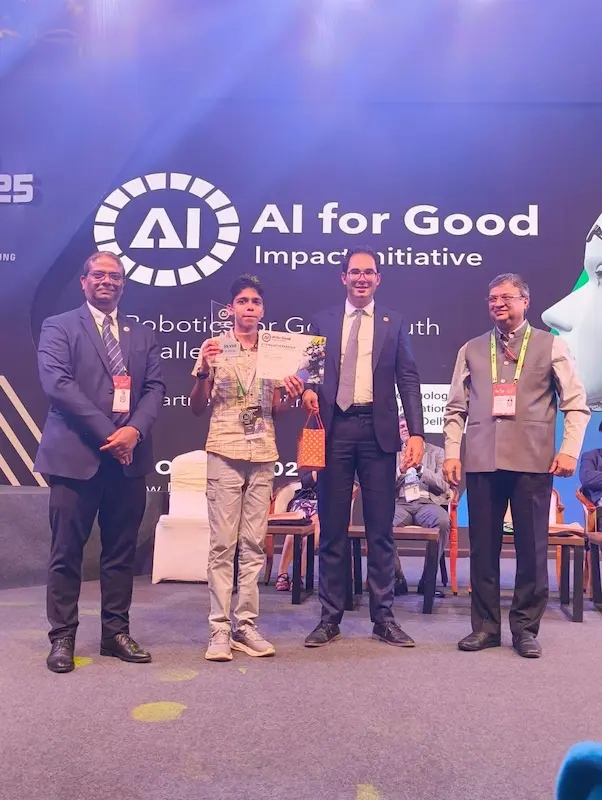
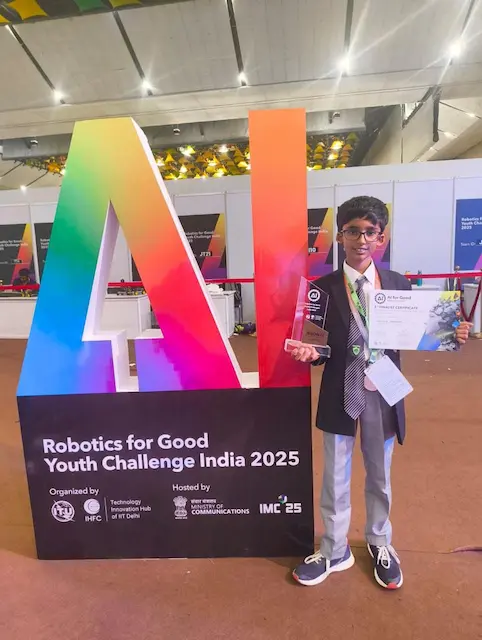
Heyansh Aggarwal Global

Heyansh Aggarwal

Delhi NCR, India

Gold Medal, India Finals - Robotics for Good Youth Challenge (ITU, United Nations)

Representing India at the Geneva Global Finals.

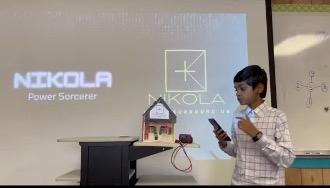
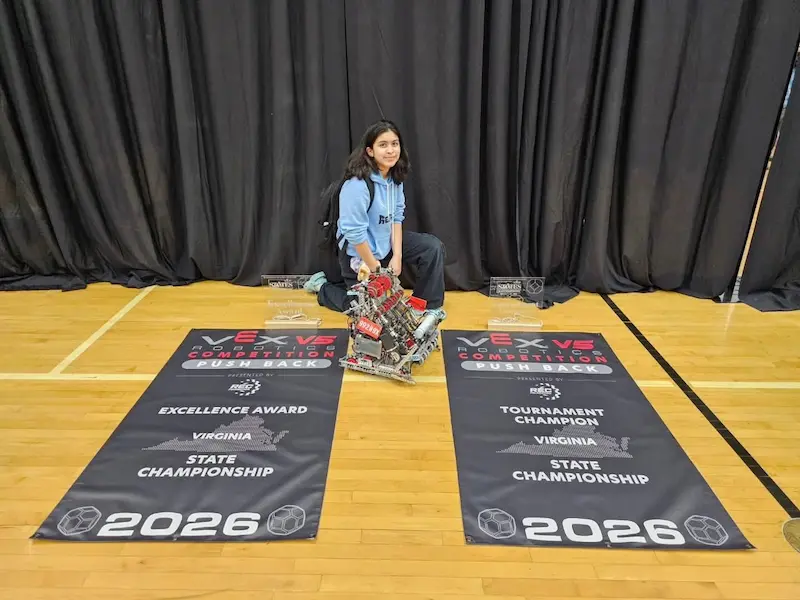
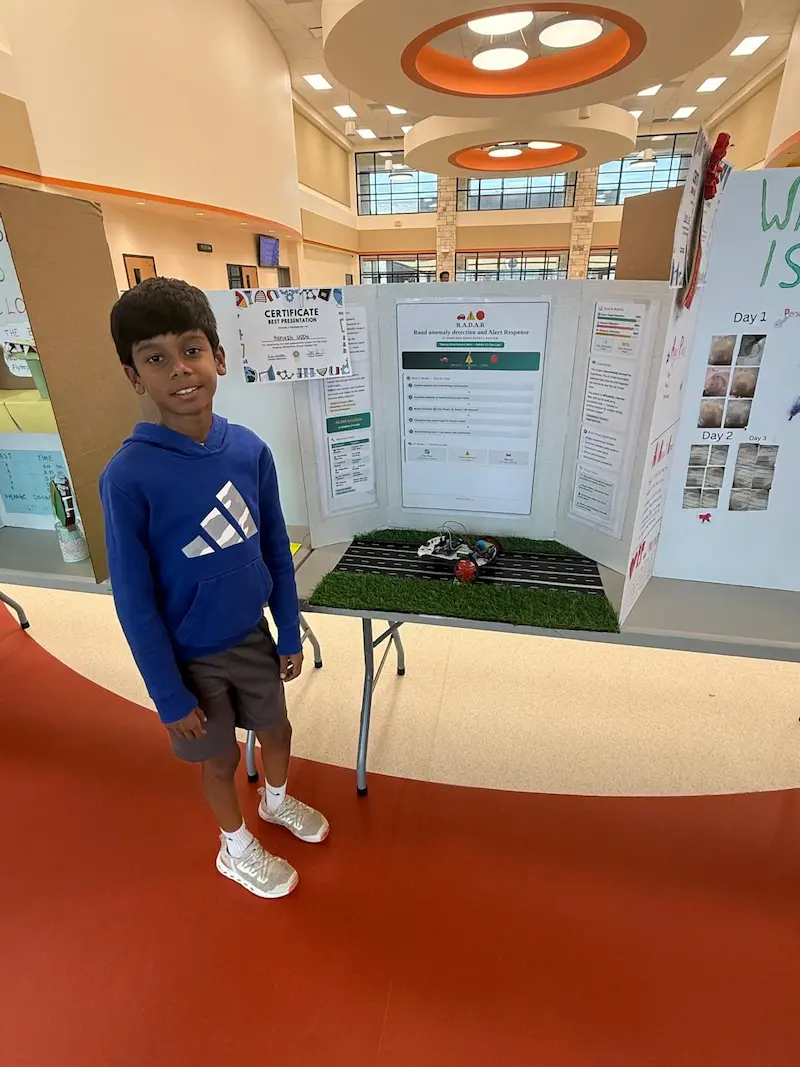
Sujith M School Level

Sujith M

Austin, Texas, USA

Won his school's Shark Tank competition for presenting his innovation, Nikola.

Built a fully functioning prototype at a young age.

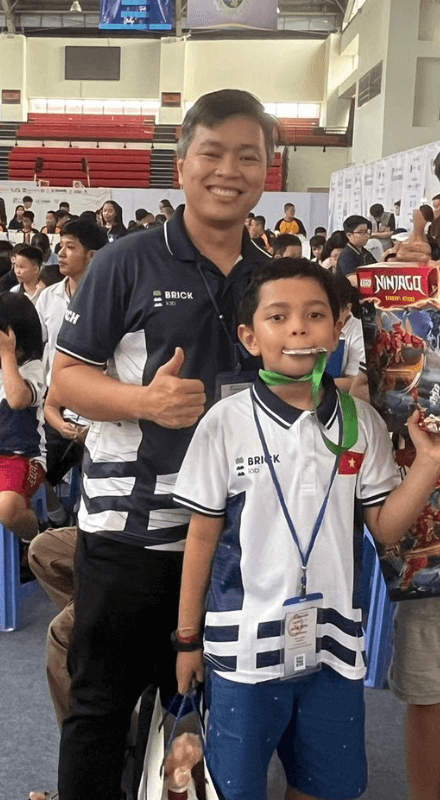
Prish Gandhi National

Prish Gandhi

HCMC, Vietnam

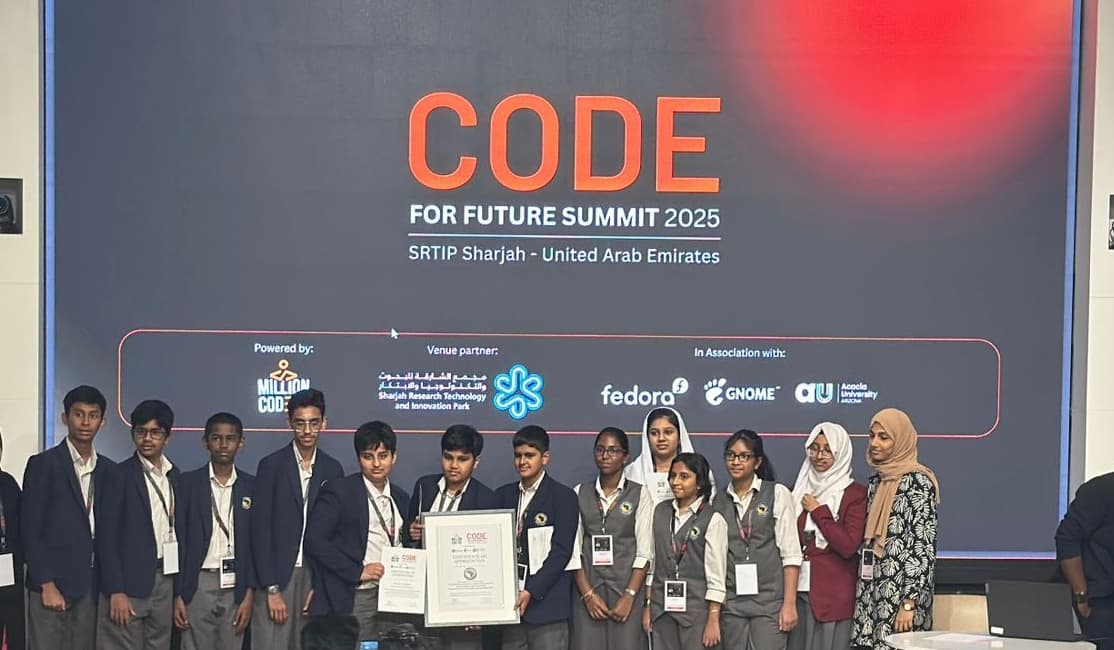
Won 2nd Medal in World Robot Olympiad Competition in South Vietnam.

Awarded at global robotics competition.

Aathi District

Aathi

Seattle, Washington, USA

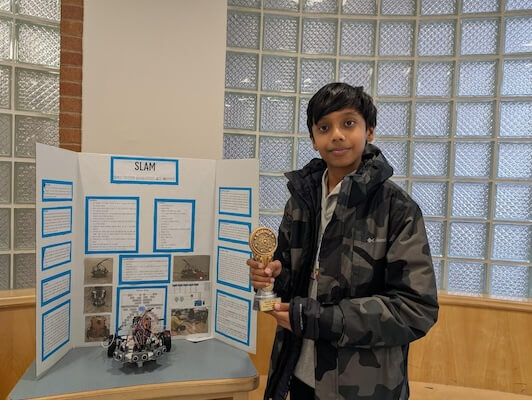
Won Inter-School Science Fair for building an autonomous mapping robot.

Recognized for his skills in science and innovation.

Prem Sai Entrepreneurship

Prem Sai

IIT Delhi, India

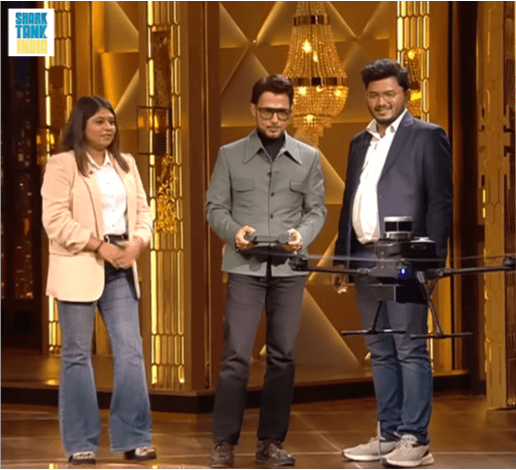
Founded a drone startup Vecros and raised funding on Shark Tank India and other investors.

Applied robotics expertise to real venture creation.

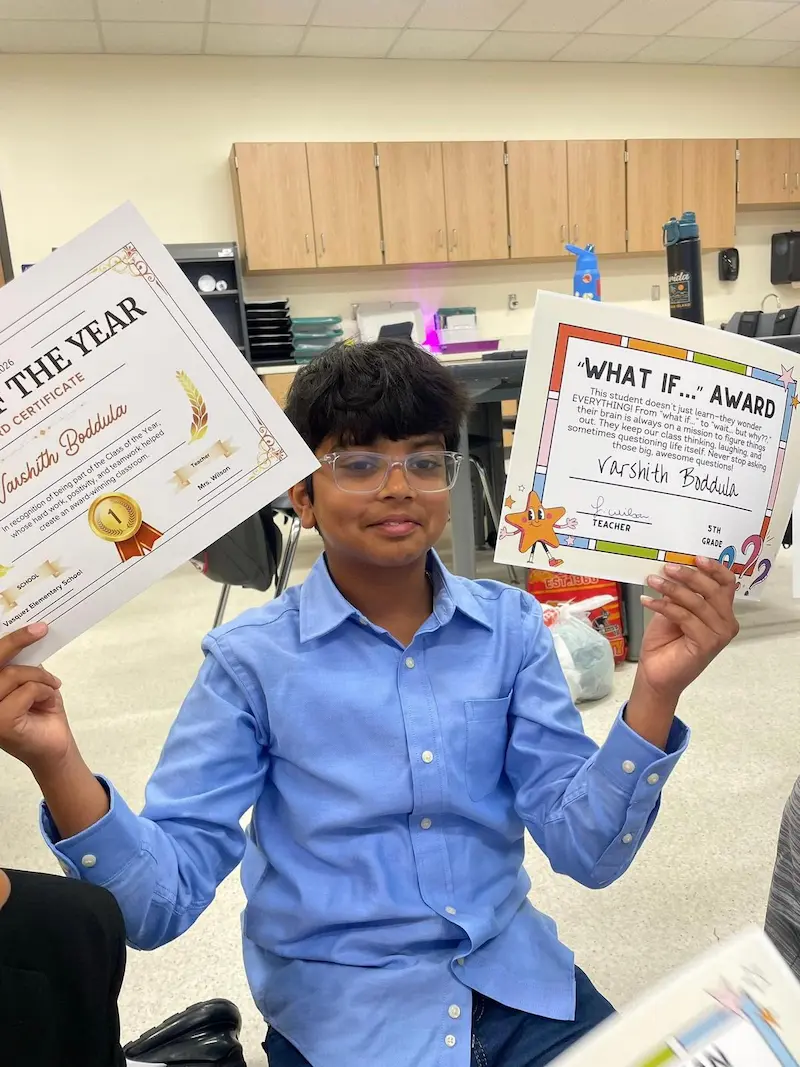
Bhumika P District

Bhumika P

Plano, Texas, USA

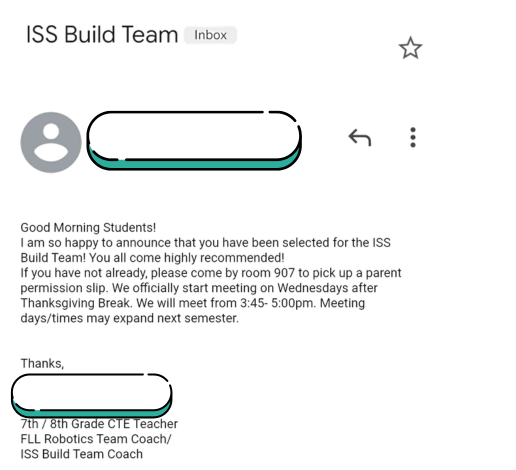
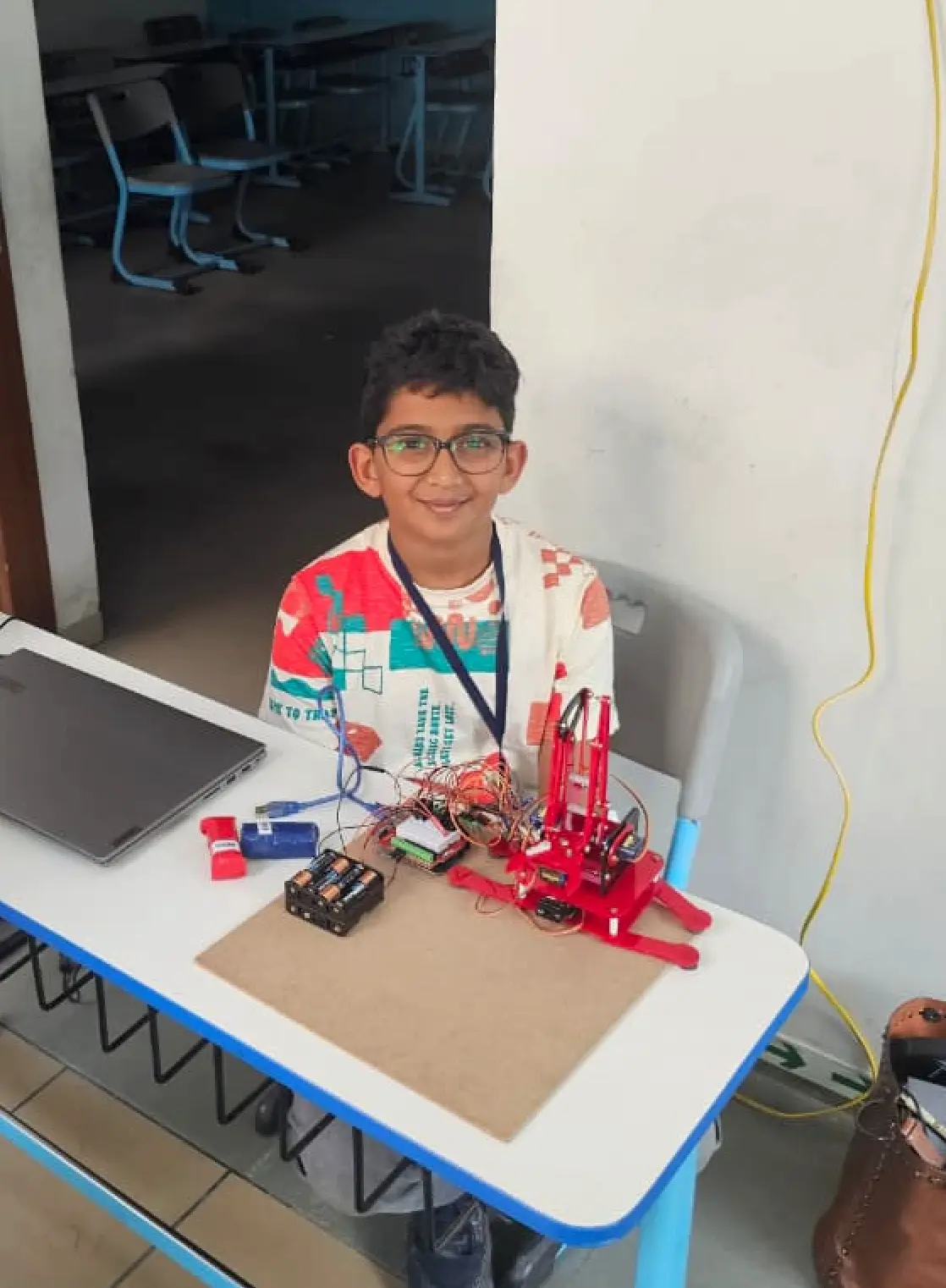
Selected for her district's ISS Build Team after presenting her Robotic Arm project.

Chosen for her strong thinking and skills.

These are just a few highlights from a much larger community of Playto students building and showcasing robotics innovations around the world.

Why These Achievements Matter for These Students

By creating projects, presenting ideas, and participating in competitions, these young innovators develop skills and experiences that can open exciting opportunities in their academic and innovation journeys.

University Opportunities

Students like the ones featured here often build strong portfolios of robotics and innovation projects that help them stand out when applying to STEM programs and ivy-league universities.

Advanced Competitions

Many students go on to participate in larger national and global competitions where they can showcase their ideas, collaborate with other young innovators, and gain international recognition.

Internships and Real-World Experience

Hands-on robotics projects help students develop practical engineering and programming skills that can lead to research programs, internships, and real-world innovation opportunities in the future.

Confidence to Build Bigger Ideas

Perhaps the most important outcome is confidence. Students who build and present their ideas early often develop the courage to attempt bigger and more ambitious innovations.

Experiences like these often begin with small projects and curiosity, the same curiosity that drives many of the students featured on this page.

These young innovators began exploring robotics early, giving them years ahead to turn the above opportunities into reality. This increases their chances of cracking top universities, receive scholarships, and winning prestigious awards eventually.

What Helped These Students Succeed

The students featured above didn't just participate in robotics classes. They built real projects, experimented with ideas, and pushed their curiosity further. Their achievements come from a combination of creativity, persistence, and the technical skills they developed while designing and building robotics systems.

Engineering Thinking

Many of these students designed and assembled real robots using motors, sensors, and electronic components, learning how mechanical systems work through hands-on experimentation.

Programming and Logical Thinking

To bring their robots to life, students wrote programs that control sensors and motors, learning how software and hardware interact in real robotics systems.

Problem Solving

Every robotics project involves trial and error. These students learned how to test ideas, debug systems, and refine their designs as they built working robots.

Creativity and Innovation

Many students went beyond the basics to design their own solutions and explore new ideas through robotics, developing confidence in their ability to innovate.

While each student's journey is unique, they all share curiosity, persistence, and a passion for building things that solve real problems.

The Journey of These Innovators

Every student featured here started with curiosity and a desire to build things. Over time, they developed their skills through hands-on robotics projects, experimentation, and structured guidance.

Through Playto's project-based learning approach, students gradually progress from building their first robots to designing their own innovations and presenting them in competitions.

Their achievements are the result of curiosity, persistence, and a learning environment that encourages students to experiment, build, and improve.

Started with Robotics

Many of these innovators began by building their first robots and learning how sensors, motors, and electronics work together. Those early projects sparked their curiosity and gave them the confidence to start creating their own ideas.

Built Real Robotics Projects

As they progressed, these innovators built increasingly complex robotics projects while learning programming, electronics, and engineering concepts through hands-on experimentation.

Experimented and Created New Ideas

With growing confidence, they began experimenting with their own ideas, improving their designs, and developing unique robotics solutions through testing, iteration, and persistence.

Presented Projects and Competed

Many went on to showcase their work in science fairs, robotics competitions, and innovation challenges, where they presented their ideas and gained recognition for their creativity and engineering skills.

Learning Path for Student Innovators

Students begin their robotics journey at different ages. The learning experience is designed to match their level of curiosity, creativity, and technical ability.

Students who start exploring robotics earlier often have more time to experiment, build multiple projects, and develop deeper engineering and programming skills over the years.

Ages 8-10 – Discover Robotics

Students explore the fundamentals of robotics by building simple machines, learning how sensors work, and writing their first programs.

Ages 11-13 – Build and Innovate

Students build more advanced robotics projects and begin designing their own solutions to engineering challenges.

Ages 14-16 – Advanced Robotics

Students explore complex robotics systems, participate in competitions, and build projects that solve real-world problems.

A Global Community of Young Innovators

Playto students come from 65+ countries of the world, including United States, United Kingdom, Australia, India, UAE, Saudi Arabia, Bahrain, Kuwait, Qatar, Singapore, Hong Kong, European countries, and many other countries across all continents. Despite being geographically distributed, they share a common passion for robotics engineering and innovation.

Through robotics projects, competitions, and learning experiences, students become part of a growing global community of young innovators building the technologies of the future.

Student and Parent Reviews of Playto Robotics Programs

Parents and students around the world share positive feedback about their experience learning robotics with Playto. Many students begin by building their first robots and gradually develop the confidence to design their own projects, participate in science fairs, and present their ideas in innovation competitions.

Families often mention in their reviews that the program helps children build real engineering skills, problem-solving ability, and confidence in presenting their ideas. Through hands-on robotics projects, students learn programming, electronics, and design while applying their knowledge to real-world challenges.

Across schools, science fairs, and robotics competitions, Playto students regularly showcase the projects they build while learning robotics. These achievements are frequently highlighted in parent reviews and student success stories.

Thousands of families across multiple countries have shared reviews about their experience with Playto's robotics programs, describing how students progress from building simple robots to creating innovative projects and presenting them with confidence.