Real Skills. Real Achievements.
Playto students applying robotics skills on school, national and global platforms.


Live 1:1 robotics classes with kits delivered across the USA. Children learn by building real projects, understanding coding and electronics, and progressing through a structured learning journey from beginner to advanced levels.
Products built by alumni of

Recognized by

Accredited by STEM.org

Playto students applying robotics skills on school, national and global platforms.
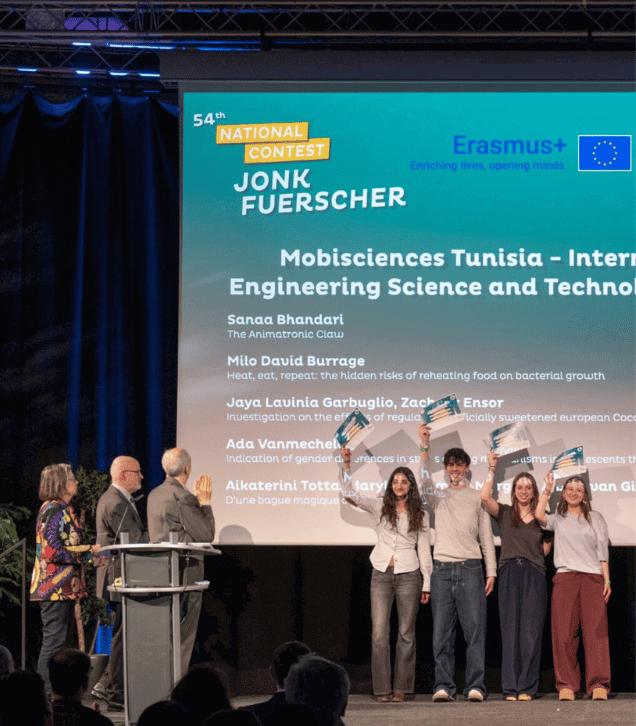 Global
Luxembourg, Europe
Silver Medal, Mobisciences Tunisia. Jonk Fuerscher (Young Researcher) Award in Luxembourg.
Represented Luxembourg at the Global Level
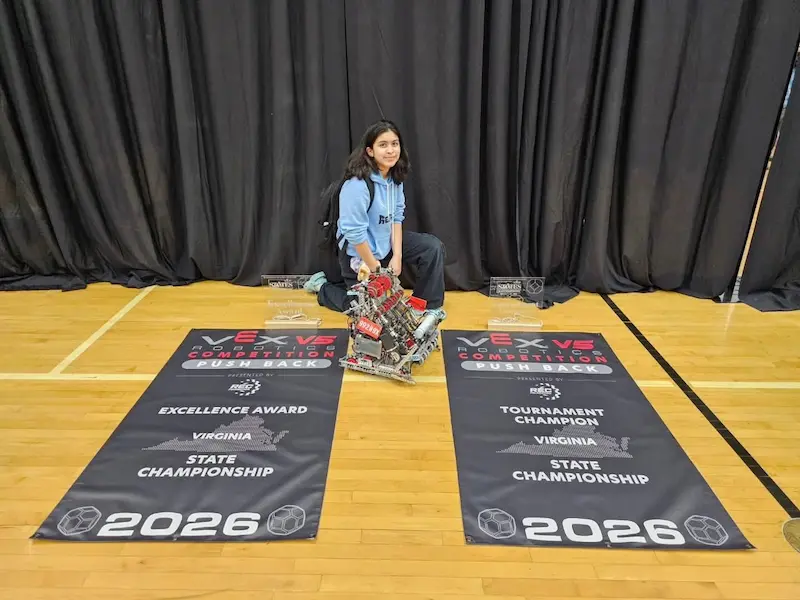 State
State
Virginia, USA
Virginia State Champion and Excellence Award Winner, VEX V5 Robotics Competition.
Recognized for excellence in robotics and coding.
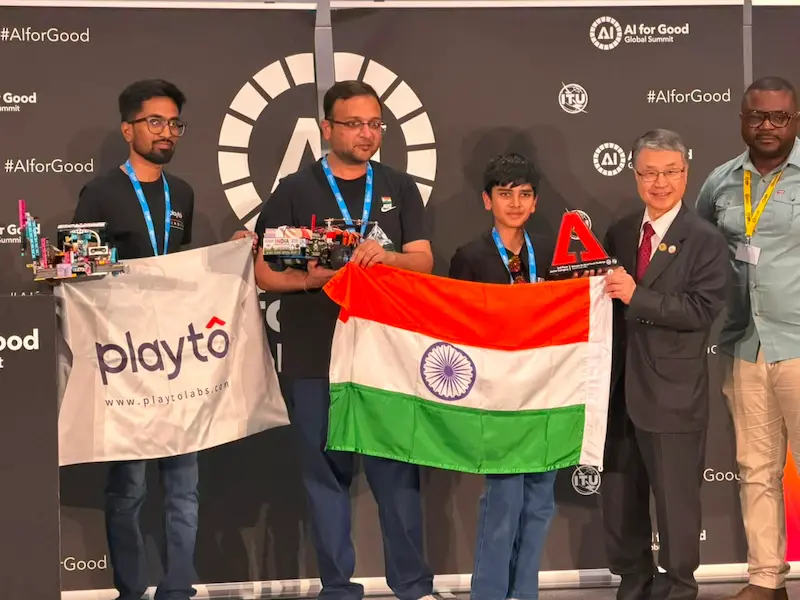 Global
Delhi NCR, India
3rd Place Globally, Robotics for Good Youth Challenge Grand Finale in Geneva, Switzerland. (by ITU, UN)
Representing India after winning Gold in India Finals.
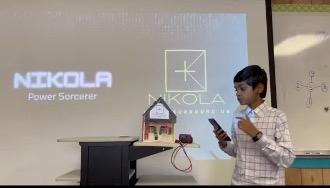 School Level
Austin, Texas, USA
Won his school's Shark Tank competition for presenting his innovation, Nikola.
Built a fully functioning prototype at a young age.
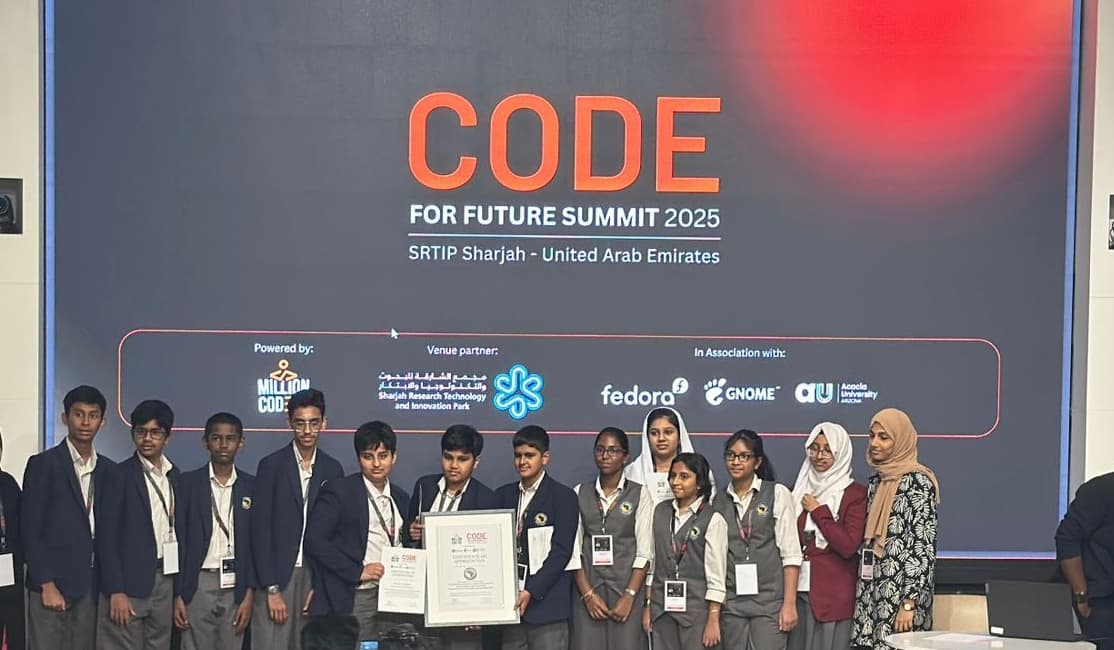 Global
Sharjah, UAE
Won the Outstanding Innovation Award at the Code for Future Summit, Sharjah
Recognized at a leading AI & tech summit
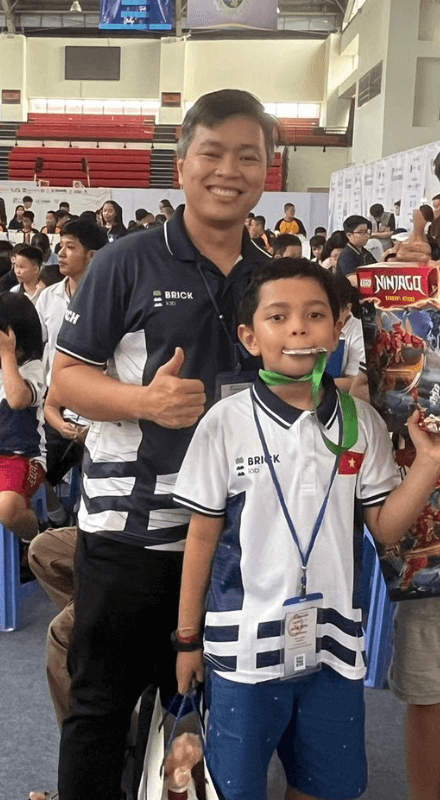 National
HCMC, Vietnam
Won 2nd Medal in World Robot Olympiad Competition in South Vietnam.
Awarded at global robotics competition.
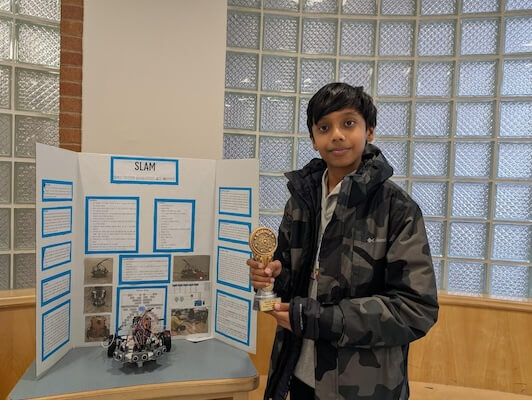 District
Seattle, Washington, USA
Won Inter-School Science Fair for building an autonomous mapping robot.
Recognized for his skills in science and innovation.
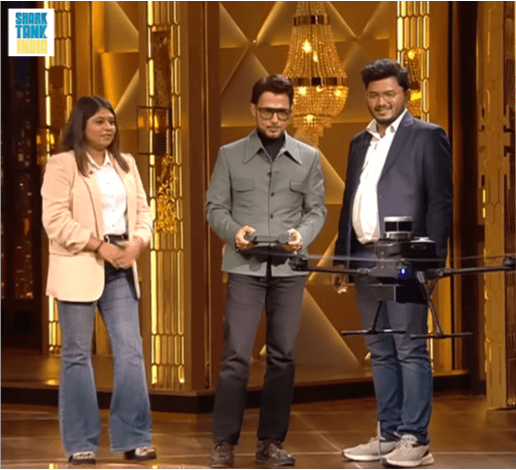 Entrepreneurship
IIT Delhi, India
Founded a drone startup Vecros and raised funding on Shark Tank India and other investors.
Applied robotics expertise to real venture creation.
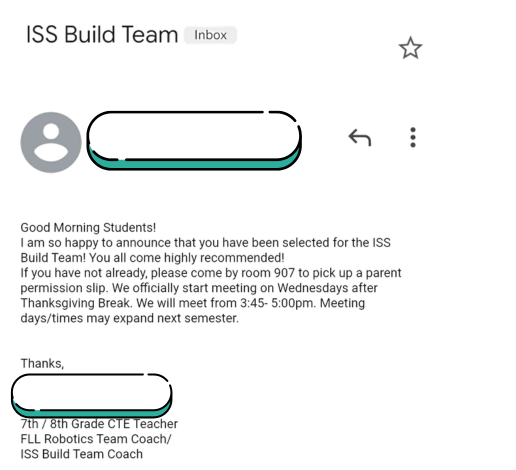 District
Plano, Texas, USA
Selected for her district's ISS Build Team after presenting her Robotic Arm project.
Chosen for her strong thinking and skills.
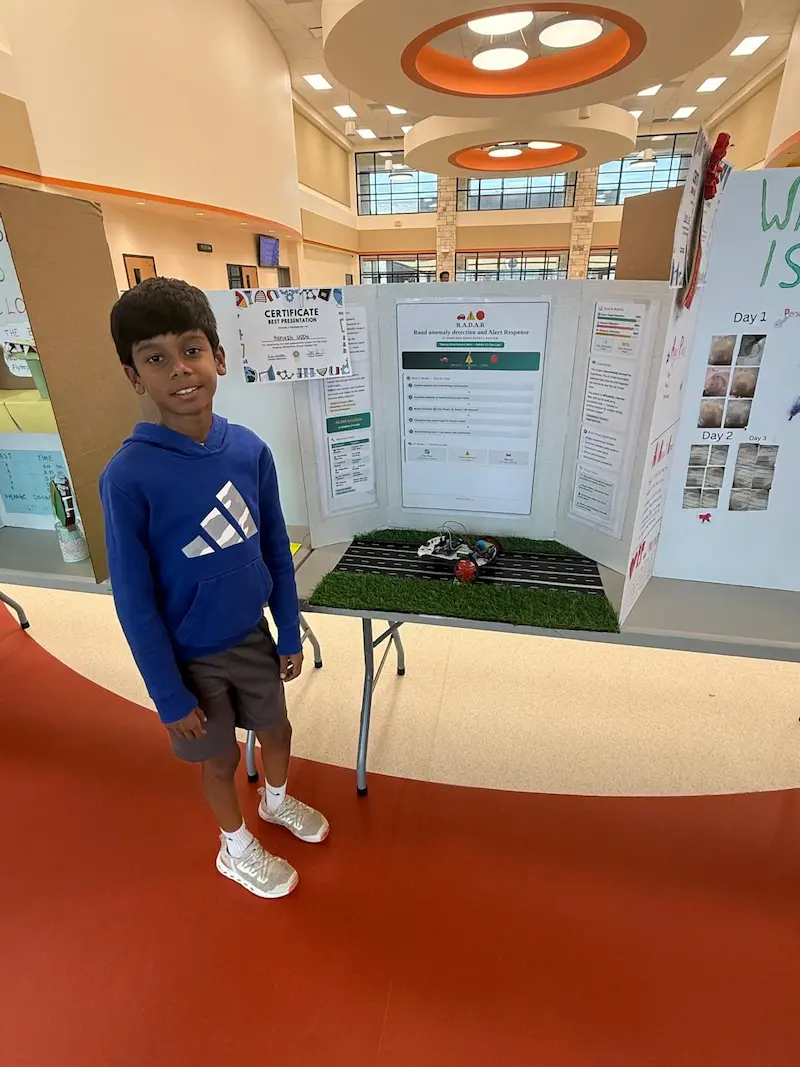 School Level
Frisco, Texas
Won a Best Presentation Award for a robot designed to detect debris on roads.
Built a functioning project blending robotics and AI.
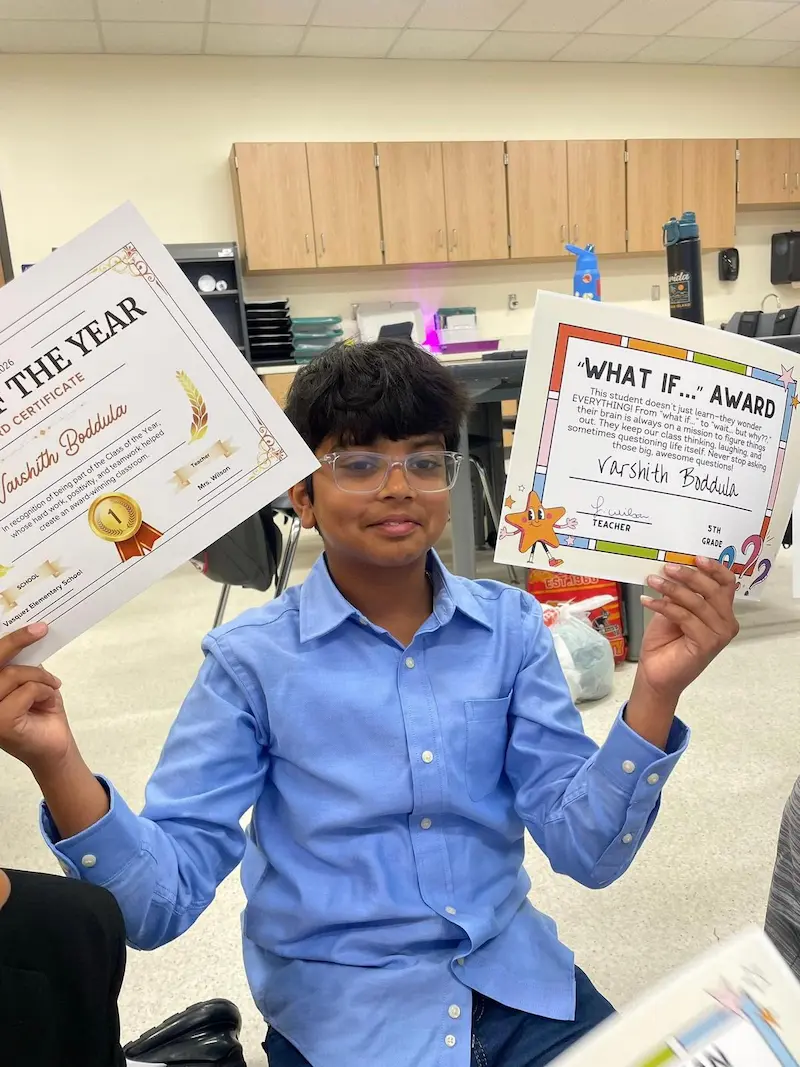 School
Celina, Texas
Received What If and Innovator of the Year recognition.
Recognized for creativity, curiosity, and classroom leadership.
These are selected highlights from a much larger community of students consistently building and applying their skills.
Students across the USA who join our programs learn through the same structured curriculum, hands-on projects, and mentorship that have helped these students achieve at national and global levels.
Your child joins a live 1:1 trial session from home, meets the mentor, and tries a simple hands-on robotics activity.
Based on your child’s age, interests, and current experience, we recommend a comfortable starting point and a path for progressing over time.
A personal robotics kit is delivered to your home so your child can build real projects during class and keep experimenting between sessions.
Delivery is available across the USA, including major metro areas and smaller communities.
Your child learns with an expert mentor in regular live 1:1 sessions. Scheduling is flexible and arranged in your local US time zone around school and family activities.
As students progress, they take on increasingly challenging projects while strengthening their coding, engineering, and problem-solving skills.
Motivated students can continue to advanced projects, build a portfolio, and prepare for science fairs, robotics competitions, or innovation challenges.
Playto Labs has developed a structured robotics curriculum through years of working with hundreds of thousands of students, helping children build real skills step by step. Parents typically begin with a simple trial class, and based on their child's interest and confidence, they can continue learning further and explore deeper levels at a comfortable pace. Students begin with an introductory program and simple projects and gradually develop a stronger interest in robotics. Over time, they go on to build advanced projects and participate in national and international competitions. Many of our students perform exceptionally well in these competitions because of the structured learning program and the depth of the curriculum.
Your child learns through a structured, hands-on coding and robotics program that builds real skills step by step. They stay engaged, gain confidence, and develop a genuine interest in technology, while you have the flexibility to continue learning at a pace that works best for your child.
Robotics at Playto Labs provides a steady path toward valuable skills, not a one-time workshop. Children advance through levels while wiring circuits, writing code, and debugging hardware they keep at home, so their learning can continue around school breaks and family schedules across the USA.
Children start with simple concepts and gradually move to more advanced robotics and coding projects. Each level is designed to match their pace, ensuring they build confidence while developing real technical skills over time.
Ages 8-10
A fun introduction to robotics in which children explore building and basic coding concepts, developing curiosity and confidence through hands-on learning.
STEM.org-accredited, age-appropriate kits
Ages 11-13
Students work on more complex robotics and coding projects, strengthening logical thinking, problem-solving, and understanding of real-world applications.
STEM.org-accredited, age-appropriate kits
Ages 14-16
Advanced robotics projects that help students build strong technical skills, develop meaningful projects, and explore deeper applications in engineering and innovation.
STEM.org-accredited, age-appropriate kits
Students can begin at the right level based on their experience and continue progressing over time. Students can continue into advanced levels based on their interests, goals, and pace.
STEM learning is a national priority in the United States because it helps young people develop the knowledge and habits needed to solve problems, evaluate evidence, and take part in an economy shaped by science and technology. Robotics is a practical way for children to develop those capabilities: it turns an idea into something they can design, build, test, and improve. U.S. Department of Education
Education is primarily a state and local responsibility, so standards and course offerings differ by state and district. Yet many schools share common goals across computer science, science, math, STEM, and career-and-technical education: computational thinking, programming, scientific inquiry, engineering design, and problem-solving. Robotics gives children repeated, hands-on practice with those connected skills. U.S. Department of Education
For example, computer science standards emphasize algorithms, programming, data, computing systems, and testing and refining solutions. Engineering-design frameworks ask students to define a problem, work within criteria and constraints, test solutions, and use evidence to improve them. In robotics class, children apply these ideas together by writing code, connecting sensors and motors, building a working system, and troubleshooting what does not work as expected. CSTA PK–12 Standards NGSS Engineering Design
Robotics can also help a student build meaningful evidence of curiosity, persistence, and depth over time. Selective US universities review applications holistically; sustained, substantial involvement and the impact a student has had can matter alongside academic results. A portfolio of projects, science-fair work, or competition experience can help a student explain what they have learned and created. Stanford Undergraduate Admission
Looking for a shorter program during the summer? Explore our robotics summer camps for kids in the USA, designed as an engaging introduction to robotics through hands-on projects during the summer break.
Playto Labs runs live online robotics classes for kids across the USA to make high-quality, consistent, and scalable learning accessible to more families. The USA’s technology ecosystem connects AI, software, life sciences, aerospace, advanced manufacturing, clean energy, and many other fields, with visible innovation in places such as the Bay Area, Seattle, Boston, Austin, the Research Triangle, and communities nationwide. That gives children concrete examples of why hands-on engineering skills matter.
Leading universities across the USA have substantial research and teaching activity in computing, artificial intelligence, data science, and engineering. Institutions such as MIT, Stanford, Carnegie Mellon, Georgia Tech, and the University of Michigan contribute to a wider network of science and technology research that children can encounter through museums, university outreach, libraries, camps, and community programs.
The USA’s technology economy also spans cybersecurity, digital media, healthcare, automotive, agriculture, finance, logistics, and climate technology, with major employers and fast-growing startups active across the country. Engineering teams, research labs, creative studios, and technology firms show children varied examples of where coding and problem-solving are used in real work, from medical devices and clean-energy systems to secure digital services and robotics.
Across communities from New York and Boston to Chicago, Houston, Los Angeles, and Seattle, parents often look for STEM learning that connects to this environment without adding another weekly journey. Playto Labs’ online model gives each child live 1:1 mentoring, a personal robotics kit at home, and a structured curriculum designed for real skill development at a pace that fits a family’s local time zone and routine.
Many families across the USA have enrolled in Playto Labs and benefited from our structured robotics classes, kits, and curriculum.
| Factor | Playto Labs Online Robotics Classes | USA Offline Robotics Classes |
|---|---|---|
| Instructor Quality | Expert mentors with 10+ years experience, trained across 500,000+ students globally | Quality can vary significantly, as experienced robotics instructors are relatively rare |
| Robotics Kit Quality | Up-to-date robotics kits that are continuously improved. Every student receives a personal kit to practice, innovate, and prepare for competitions at home. | Kits are often reused over long periods and shared among students, limiting hands-on time and independent practice. |
| Hands-On Practice Time with Kits | Children can practice at any time with their own kit and continue exploring ideas between classes. | Practice limited to classroom hours |
| Curriculum Depth | A structured, progressive, personalized, and industry-relevant robotics curriculum developed by experienced education experts. It is continuously refreshed and designed to work closely with the kits. | Often lacks structured progression and regular updates, making it harder for students to build depth over time. |
| Personalization, Especially Important in Robotics Classes | 1:1 sessions, mentor feedback, and progress tracking. Every child learns at a pace that matches their interests and ability. Additional depth and advanced levels are available for highly motivated students. | Not every student in a robotics class is learning the same topic (unlike math, where children in the same year group often cover similar topics). As a result, group-based offline robotics classes can be harder to personalize, and some children may lose interest. |
| Learning Continuity | Learning continues across levels, and students build real skills over time, helping them prepare for competitions and develop strong portfolios for future academic opportunities. | A fixed syllabus may end with the batch and may offer limited options for students who want to progress further. |
| Learning Flexibility | Reschedulable classes, personalized pace and journey. | Fixed schedules, curriculum and kits with minimal flexibility |
| Competitions and Wider Exposure | Access to robotics competitions and real-world project showcases. Expert mentors with experience of helping students win awards at international level. | Competition exposure may vary depending on the center and the experience of its instructors. |
| Certification Value | Skill-based certification that reflects the student's progress | Certificate recognition varies by provider |
| Convenience for Parents | No travel, no traffic, no time loss | Requires travel and additional scheduling coordination |
| Parent Visibility | Transparent progress updates and performance tracking | Limited insight into student learning |
| Cost vs Value | Playto Labs Robotics Classes are affordable even with take-home kits and 1:1 classes because everything is integrated into one program that works efficiently and also because of the larger scale they operate in. | Costs and inclusions vary, and some programs may not provide take-home kits. Some centers source kits and instructors separately, which can add to the cost and make delivery less consistent. |
The key difference is how consistently your child can learn, practice, and progress over time.
Playto Labs' coding and robotics program is designed to help children start comfortably, build confidence through hands-on learning, and continue progressing at their own pace. With personalized guidance, take-home kits, and a structured curriculum, kids can develop real skills without being limited by batches, schedules, or shared resources.
Select your state and city to see class details, schedules, and to book a free trial.
No worries. Playto Labs provides live online robotics classes for kids across all 50 US states, including states where we do not yet have dedicated city pages. Families can join from Alabama, Alaska, Arkansas, Delaware, Hawaii, Idaho, Iowa, Kansas, Louisiana, Maine, Mississippi, Montana, Nebraska, New Hampshire, New Mexico, North Dakota, Oklahoma, Rhode Island, South Carolina, South Dakota, Vermont, West Virginia, and Wyoming.
We also serve families in cities and metropolitan areas beyond those listed above, including Birmingham, Huntsville, Anchorage, Little Rock, Wilmington, Honolulu, Boise, Des Moines, Wichita, New Orleans, Baton Rouge, Portland in Maine, Omaha, Lincoln, Albuquerque, Oklahoma City, Tulsa, Providence, Charleston, Greenville, Columbia, Sioux Falls, Burlington, and many other communities nationwide.
Classes are also available in communities within states already covered above, including Tucson, Scottsdale, San Jose, Irvine, Orange County, Fresno, Colorado Springs, Fort Collins, Fort Lauderdale, Savannah, Naperville, Ann Arbor, Grand Rapids, Buffalo, Rochester, Syracuse, Cary, Virginia Beach, Spokane, Bellevue, Madison, and other cities and regions across the country.
Families in suburban communities can join as well, including places such as Plano, Frisco, McKinney, Redmond, Alpharetta, Long Island, Westchester County, and similar communities around major US metropolitan areas. Because classes are delivered live online and each student receives a personal robotics kit, children can access the same structured robotics learning wherever they live in the USA.
Every student receives a personal robotics kit designed for their age and level, enabling them to build and practice beyond class hours.
We offer delivery across the USA, including metro cities and smaller towns. Kits typically arrive within 3 to 5 business days across USA.
Having a personal kit at home allows children to experiment, revisit concepts, and develop deeper understanding through hands-on learning.
Explore robotics classes for kids in other regions:
Europe
Africa
Asia
Oceania
You can also explore our robotics summer camps for kids in USA to understand how to get started.
Book a free trial class and see how your child learns robotics through hands-on projects and live 1:1 sessions.

